-
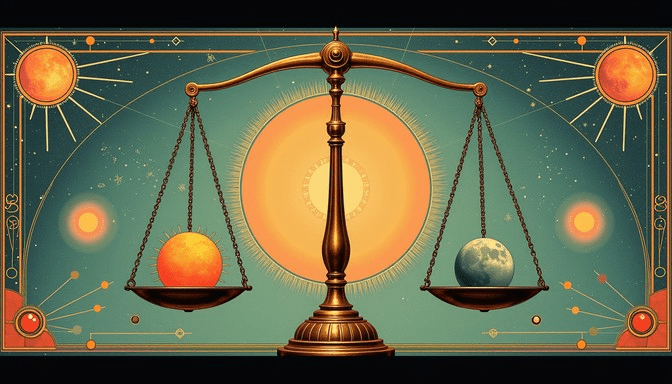
Today we’ll attempt to solve the mystery of the City of Nine Gates — the nava dvara-pur mentioned in three sacred Hindu texts. According to Google AI, that nine-gated city isn’t mentioned in the Rigveda, but can be found in the Atharva Veda (10.2:31), the Shvetashvatara Upanishad (3:10), and the Bhagavad Gita (5:13). If, however,…
-
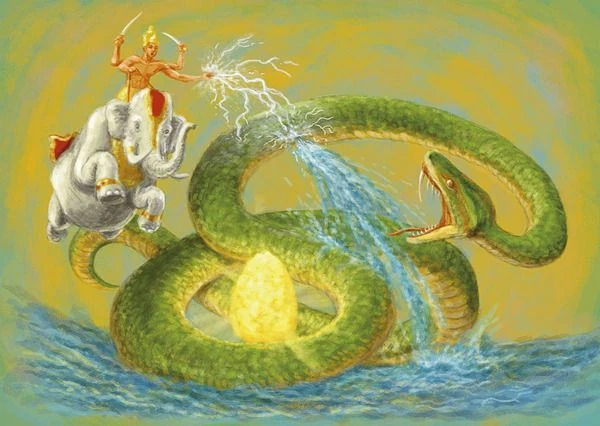
Today, we’re moving forward to the 32nd Sukta of the Rigveda’s first mandala (Rv 1.32). Neither a metered poem nor a hymn of praise, this ancient sacred teaching is erroneously described by Google AI as “a famous Vedic hymn dedicated to Indra and his legendary battle with the serpent Vritra. Composed by the sage Hiraṇyastūpa…
-

In our last discussion, we learned that the Pandavas — the five brother-heroes of the Mahabharata epic — belong to the Vah Ray’s lineage or dynasty. As we’ve also ascertained from previous studies, the Vah Ray is the Christ Ray, whose “breath” is the Holy Spirit. And that is the how and why of the…
-
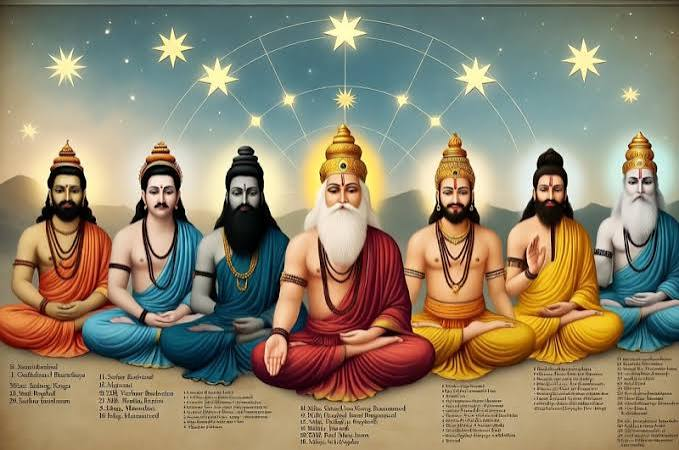
Typically, I am inspired by Spirit to investigate something just before it shows up in my life (or my lessons), so it’s quite probable the Rigveda’s 31st Sukta mentions the sacred grains we discussed last time. According to Google (via Vedapath.app): RV 1.31 is “a profound 18-verse hymn attributed to the seer Hiranyastūpa Āṅgirasa. It…
-

Ever since we talked about the grindstone/millstone, a question has been percolating inside my mind: Are the grains mentioned in the Vedas, the Bible, and the Qur’an meant to symbolize the “alms” we offer to the millstone for grinding into the powder or flour the Holy Spirit disperses universally via the Divine Matrix? Today, we’ll…
-
Welcome or welcome back to The Holy Meeting Place. Today we’re moving ahead to the Rigveda’s 30th Sukta, which Google describes as a hymn primarily addressed to Indra, the “king” of the devas, with verses dedicated to the twin horse-headed physicians known as the Asvins, in addition to Usha, the Hindu goddess of dawn. How…
-

Yes, I know. My headlines are rather perfunctory, but we’re all about substance over flash here at the Holy Meeting Place dot com. Today, as the utilitarian heading suggests, we’ll be studying the Rigveda’s 29th Sukta. Only 9,987 to go, so we’re making progress! Snail-like progress, to be sure, but progress nevertheless. What is the…
-
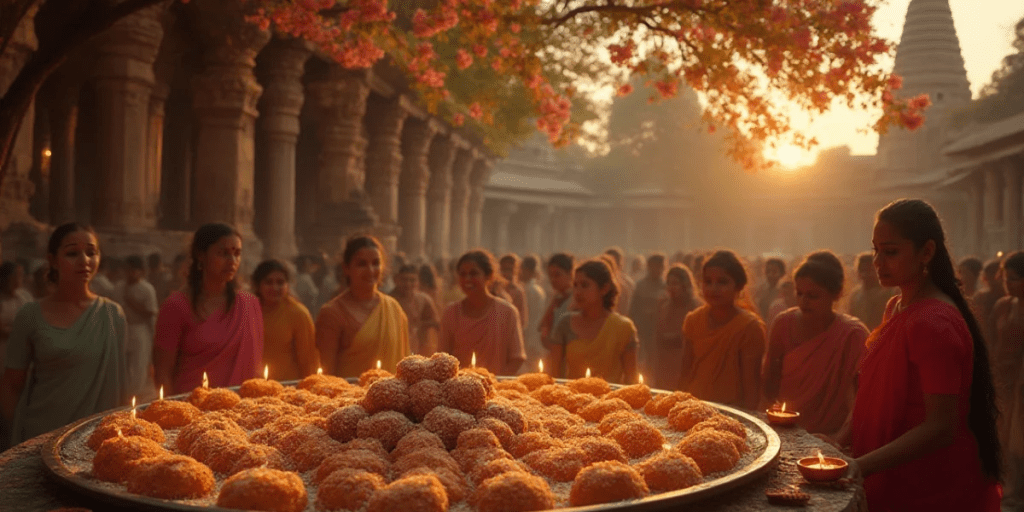
Okay, WordPress. What happened to my post-draft? Two days ago, I was ready to publish my annotated translation of the Rigveda’s 28th Sukta; and today, all my work has vanished. The thought of starting again sickens me, but what else can I do? But wait, because my post’s disappearance may have been for the best,…
-

Today, rather than tackle the Rigveda’s next Sukta (Rv 1.28), I want to investigate three seemingly related symbols found in the Bible, as well as the Rigveda. Those three symbols are the Cornerstone, the Touchstone, and the Capstone. What might these three “stones” represent? Let’s begin our investigation into their symbolic meaning by scrutinizing the…
-

Namaste, my brother in Christ, and welcome (or welcome back) to my latest adhyayana posting. Today, we’re discussing the Rigveda’s 27th Sukta, another wisdom teaching for Brahmins — the Teachers of God who can hear the sacred syllable, Om or AUM (rather than a “caste” of human society). Contrary to popular presumption, the 27th Sukta…
-
Subscribe
Subscribed
Have a WordPress.com account? Log in now.

