rigveda
-
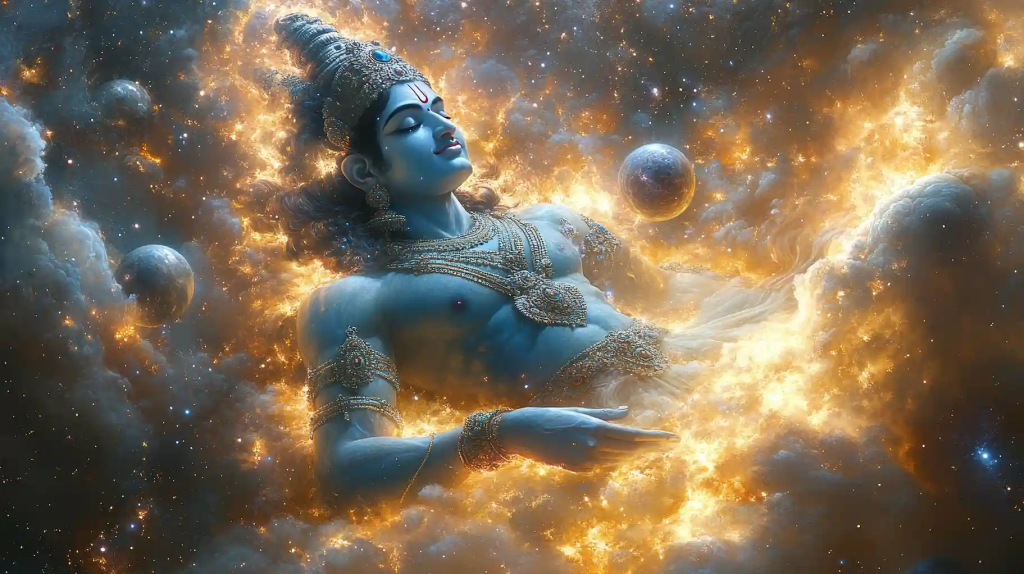
Are you ready to unlock the secrets of the Rigveda’s 10th Sukta? Getting this far feels like a milestone — until I remember how many more Riks lay ahead. Yikes. Will I finish the job before I drop my body? Will I even get through the first Mandala? Only time will tell — and best…
-
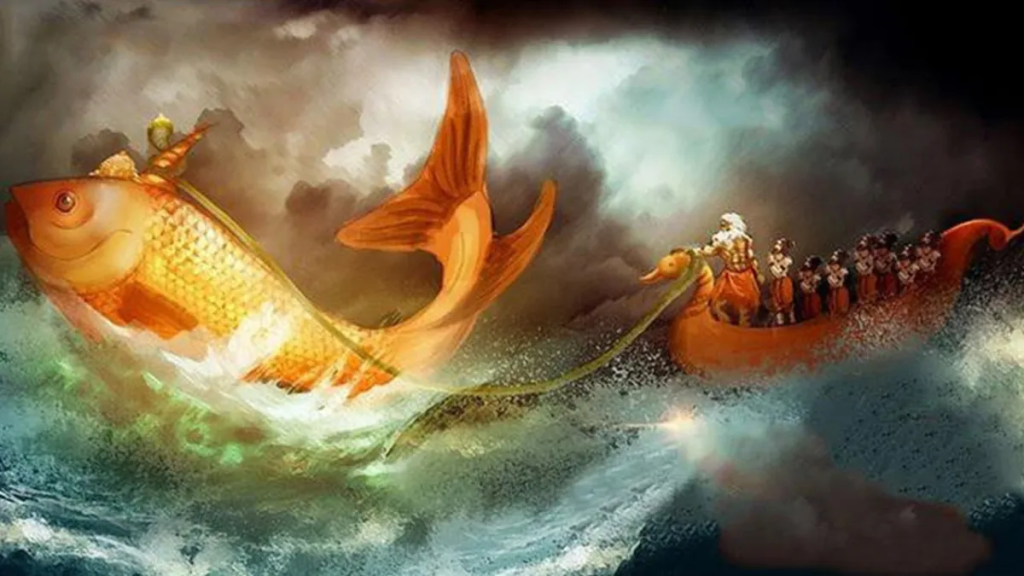
We’ve now come to the Rig Veda’s Ninth Sukta — and I wish I could say the translation process is getting easier. But that wouldn’t be wholly truthful. What I can say — in complete honesty — is that I’m still learning and expanding my understanding of the labyrinthian morass that is Hindu theology. I’m…
-
Translating the Rigveda’s Eight Sukta was no small feat. Not only were Max Muller’s “preserved meters” way off, correct definitions for the majority of words also were exceedingly hard to come by. The first of these elusive words came at the outset. That word was endra, which is almost universally misinterpreted as another form of…
-
Let’s start our discussion of the Rigveda’s Seventh Sukta with a relevant quote from the Course — a quote so central to the process of awakening, I added it to my blogger profile to serve as a constant reminder. Because, as Jesus explains somewhere in the Text, we can not be too often reminded of…
-

Let’s continue our conversation about the Rigveda’s Sixth Sukta by reviewing the verse we ended on last time. That verse is Rv 1.6.5, rather than Rv 1.6.6, as per Max Muller, the 19th-century Oxford orientalist credited with restoring the Rigveda to its original metric form. In so doing, he divided Rv. 1.6.4 into two lines,…
-

At last, we reach the Fifth Sukta of the Rigveda, the most ancient and sacred of the Hindu scriptures. This one also concerns King Indra, but it’s neither a hymn nor a metered poem. Like the first four Riks, the fifth is a spiritual teaching aimed at “Brahmins.” Contrary to popular egoic belief, Brahmin is…
-
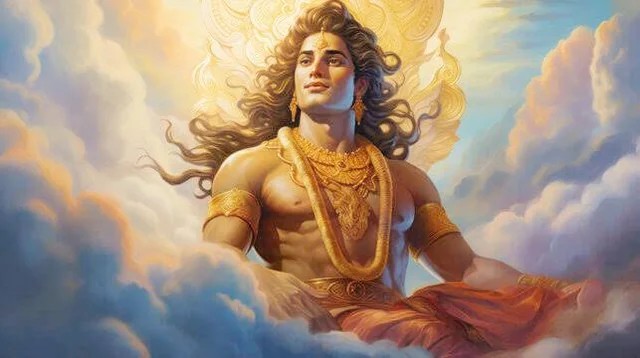
We now come to the Rig Veda’s fourth Sukta, the first of many presumably addressed to Indra, the king of the Hindu devas. As explained earlier, Indra personifies the Red Ray of the Father’s Will to make earth like Heaven. As such, Indra represents the most powerful force in the universe — the reason he…
-
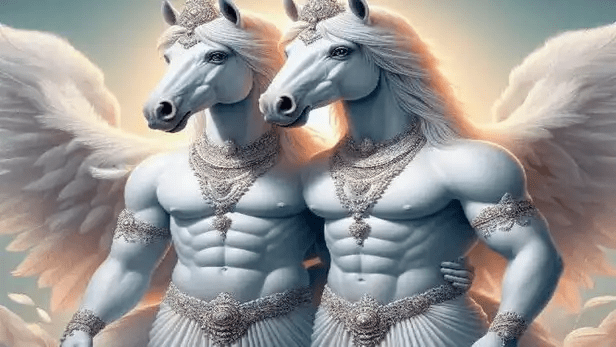
I first drafted this post back in February 2024, after taking a few weeks off from blogging. Why the break? Mainly because I felt no compulsion to carry on. In hindsight, I can see that my lack of motivation was tied to my reluctance to continue translating the Rigveda. Who am I, after all, to…
-

Now that we’ve established that the divine force the Vedic rishis call “Agni” actually represents the Transformational Fire of God in our heart-of-hearts (the Inner Altar within the Temple of the Holy Spirit), let’s proceed to the Rigveda’s second Sukta. Long presumed to be a “hymn” extolling the virtues of “Vayu,” the alleged “god of…
-

Over the centuries, the illusion-manifesting Ego Mind has tangled the foundational teachings of the Great Rishis of India into such a snarled hairball of lies, it’s hard to know where to begin the “detangling” process. So, let’s start at the beginning, with the earliest and most sacred of the Hindu shruti (divinely revealed) texts: the…
 The Holy Meeting Place