Are you ready to unlock the secrets of the Rigveda’s 10th Sukta? Getting this far feels like a milestone — until I remember how many more Riks lay ahead. Yikes. Will I finish the job before I drop my body? Will I even get through the first Mandala? Only time will tell — and best to leave the future in God’s hands, I daresay.
Historically, this Sukta has been characterized as a song of praise addressed to King Indra, who we now know to be the Red or Blood Ray that is Adam, the Aleph power of Elohim.
Like the nine Riks I’ve previously translated and interpreted, Rv 1.10 is a wisdom teaching rather than a hymn or poem. Poetic in its use of language, to be sure, but prosaic in structure rather than poetically metered. King Indra is indeed discussed throughout, but so are Vishnu, Shiva, Krishna (possibly), Brahma, Kamadeva, the Vasu, Hanuman, and Anu (among others). The main subject is, however, the Om/Aum vibration and the critical role the sacred sound plays in the illusion-destroying/reality-restoring At-one-ment process leading to Moksha.
I hit that drum pretty hard in my last post, and will keep pounding away until the Truth permeates the Ego’s imprisoning miasma.
So, let’s get to it without further ado. Consistent with Max Muller’s formatting, the 10th Rik’s first verse reads as follows in transliterated Sanskrit: gayanti tva gayatrino ‘rcanty arkam arkinah brahmanas tva satakrata ud vamsam iva yemire.
My translation:
Sing to glorify the Self; sing the threefold Om to cultivate the splendor of the Greater Light, the Son in wholeness expanding the mind, the essence of the True Thought of God (the Logos) higher up, the descendent in the likeness of God controlling the horses.
My syllable breaks and definitions:
gāyanti (sing to glorify) tvā (the Self) gāya-triṇ-o (sing the threefold Om) ‘(a)r-canty (to cultivate the splendor) arkam (of the Greater Light) arki-ṇaḥ (the Son in wholeness) brah-māṇas (expanding the mind) tvā (the essence of) śatakrata (the True Thought of God ) ud (higher up) vaṃśam (the descendent) iv-a (in the likeness of God) ye-mire (controlling the horses).
The available definitions for many of these words are pretty shifty, so I did the best I could. The threefold Om is said to be A-U-M, but might also be A-N-U. The descendent in the likeness of God controlling the horses is Aruna, the first red ray of breaking dawn driving Surya’s chariot-throne. Aruna is, I believe, another form of Indra.
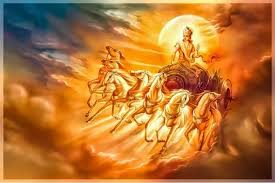
The next line (Rv 1.10.2) reads: yat sanoh sanum aruhad bhury aspasta kartvam tad indro artham cetati vuthena vrsnir ejati.
My translation:
Strive to rise level by level astride the Mighty Horse stabilizing the duty of extending Indra’s purpose of the mind in association with the multitudes raining down the shaking of Kamadeva.
My divisions and definitions:
yat ( strive or endeavor) sānoḥ (to rise) sānum (level by level) āruhad (astride) bhūry (the mighty) aspa-ṣṭa (horse stabilizing) ka-rtvam (the duty of) tad (extending) indro (Indra’s) arthaṃ (purpose) cetati (of the mind) yūthena (in association with the flock or multitude) vṛṣ-ṇir (raining down) ejat-i (the shaking of Kamadeva) or e-jati (the holy birth).
My notes:
Lots to explain in this one, so let’s break down the pieces, starting with the mighty horse our Souls need to “mount and ride” to rise through the levels of the return-journey. Do the rishis mean one of Krishna’s horses or some other horse? The Sanskrit word aspa or asva means “horse,” rather than “horses,” so the rishis probably mean Indra’s horse, Uchaihshravas.
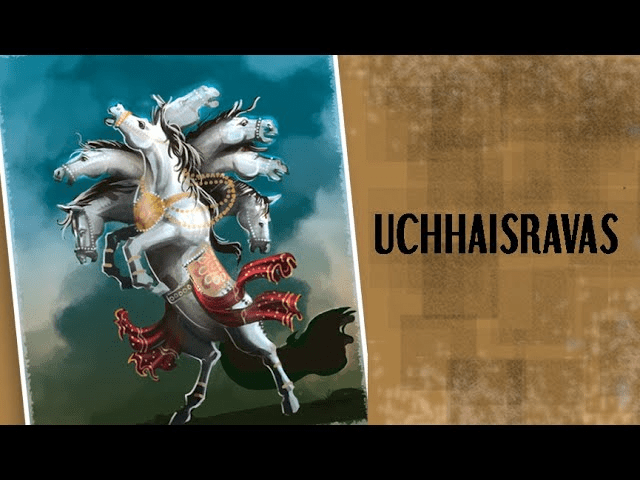
Oh, yes, my brother. Indra rides a horse, as well as an elephant. But not just any horse. Indra’s horse has seven heads and massive wings. According to the legends, Uchaihshravas emerged from the churning of the Ocean of Milk. As the horse rose up, Indra seized the magnificent beast, claiming him as his vehicle.
Wikipedia and other sources tell us the word-name Uchaihshravas means “one with long ears” or “neighing aloud,” neither of which reveals anything useful about what the horse represents allegorically. Not sure how “they” came up with those fruitless definitions, because the name actually means something infinitely more meaningful. Uchaihshravas means “the exalted sound of glory” — a phrase found in the Bible to represent, according to Google, “the thunderous, majestic praise of God’s sovereignty, often described as shaking and filling the earth.”
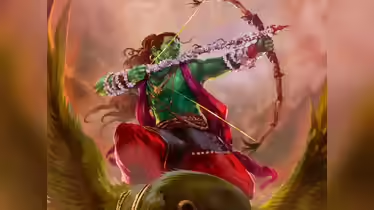
Shaking and filling the earth with “Kamadeva,” the rishis explain herein–the power of God’s Love, acting as God’s archer in the dream.
So, the great horse we need to mount and ride to rise up the levels of the journey is “the exalted sound of glory,” the threefold Om vibration mentioned in the previous verse.
As I keep saying, it’s all about the Om.
Let’s jump down to the end of the line describing the multitudes raining down the shaking of Kamadeva. Let’s assume Kamadeva’s shaking is the same shaking that “fills the earth” when the thunderous praise of God’s majesty is heard, as well as the “earthquake” mentioned in the Book of Revelations.
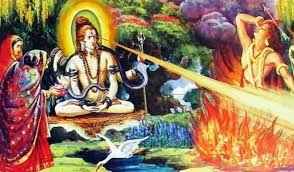
I’m wading into unfamiliar waters here, but the only only reference I could find to Kamadeva’s shaking is in a story from the Shiva Purana. Generally, the story is used to support Kamadeva’s presumed status as the Indian Cupid, but I see its symbolism quite differently. Here’s how the story goes (in my own words):
Following the death of his first wife, Sati (“God’s true and eternal love”), Lord Shiva was in a deep, grieving trance on Mount Kailash, causing a disruption in the balance of the universe. To break his trance, the devas (gods) commissioned Kamadeva to awaken love in Shiva’s heart so he would marry Parvati (Sati’s reincarnation), and produce a son to defeat the demon, Tarakasur (“planet of guilt”)
Accepting his mission, Kamadeva snuck up to Mt. Kailash, found Shiva in a meditative trance, and shot him in the chest with one of his flower-tipped arrows. Startled and angry, Shiva gave Kamadeva the searing stink-eye, causing him to “shake in fear.” While still quaking, Kamadeva invoked the assistance of Indra and his other patrons, but to no avail. Shiva, still enraged, then opened the third eye in his forehead and zapped Kamadeva, reducing him to ashes. This earned Kamadeva the nickname Ananga, which supposedly means “the bodiless one.” In actuality the name is a compound of Anan and ga, meaning “breathing the Om.”
Eventually, due to the petitions of Rati (Kamadeva’s female partner), Shiva restored Kamadeva to life, though he remained without a physical form to, by most accounts, “embody the desire that exists only in the hearts and minds of (lower) beings.”
The story’s presumed moral is that Shiva, being Mr. Holiness, was above the fleshly temptations thrust upon him by Kamadeva, whom he justifiably smote in anger.
I see it differently, and here are the reasons:
–Firstly, Kamadeva was sent by the gods to ease Shiva’s paralyzing grief by restoring love to his heart.
–Shiva, blind to Kamadeva’s good intentions, reacted inappropriately with wrath, reducing his would-be savior to ashes (just as we do with each other in the world).
–Consequently, God’s Love became formless spirit in the world–a disembodied vapor emitting a vibratory word or sound to be listened to passively by the few able to hear it.
–Rati, who is NOT the goddess of lust, pleaded with Shiva to “see reason,” eventually convincing him to restore Kamadeva to “life” (with the cosmic breath) but not his visible form.
–In the scriptures of various faiths, ashes are powerful symbols of the repentance paving the way for resurrection. In ritual practice, ashes are used to draw symbols on the foreheads of believers.
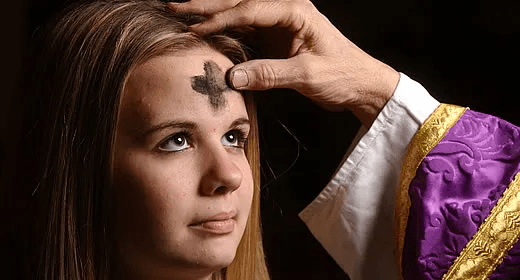
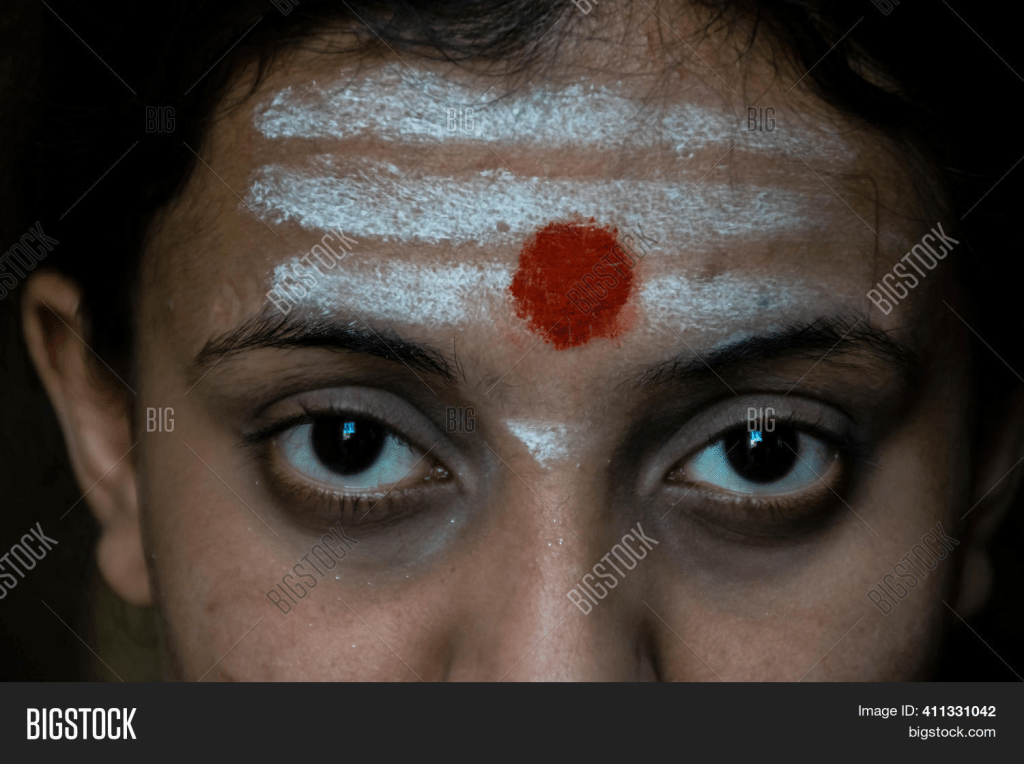
Before we talk about what Rati represents, let me present further evidence supporting my assertion that Kamadeva represents God’s perfect love rather than man’s imperfect lust for carnal pleasures.
–In the Hindu lore, Kamadeva has three other nicknames besides Ananga. Those names are Anaga, Manmatha, and Madana. Anaga, means pure, sinless, blameless, or innocent. Manmatha means “one who agitates the mind” — in reference not to lust, but to the churning or shaking caused by God’s thundering glory. And Mad-ana means “the intoxicating life-force”– a reference to the intoxicating power of God’s love.
According to Google:
God’s intoxicating love represents an overwhelming all-consuming divine affection that brings deep spiritual joy, ecstasy, and total surrender to the seeker. It is often described as a “living water” that satisfies the soul or a “fire” that burns away limitations, leading to a state of being “mad after God.”
To convince you beyond a shadow of a doubt that Kamadeva represents Divine Love, let me briefly explain the symbols generally associated with the so-called “Indian Cupid.” First and foremost, Kamadeva rides a green parrot called Suka — a compound of su (holy or sacred) and ka (shorthand for the Purusha). The Holy Purusha is the Cosmic Being, Universal Soul, or Light of God underneath the illusion of form. Ergo, Kamadeva, the Love of God, is transported by the Universal Soul in the Cosmic Ocean underneath the dream-dimension.
As a symbol in and of itself, the parrot represents communication or, more specifically, echoed speech or mimicry. The color green, meanwhile, is associated with the Heart Chakra and the Third Ray, the horn-like beam serving as the Voice of the abstract Universal Mind. Being abstract, that voice speaks to us abstractly, not in words, but through intuition and sound.
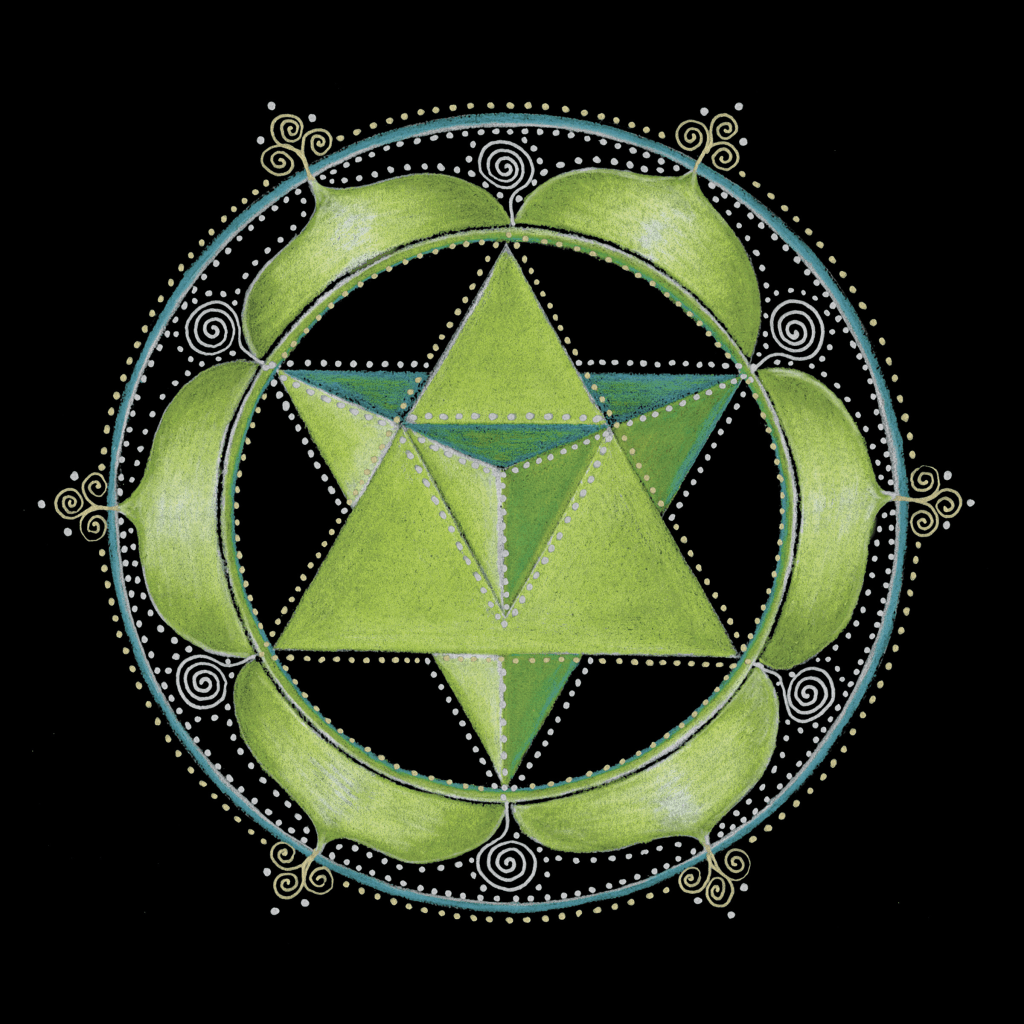
That Kamadeva carries a bow and arrow might be the reason he’s confused with Cupid. Unlike Cupid’s weapon, however, Kamadeva’s bow is made from sugarcane, with a beeline for a string — symbols representing “the sweet and constant communication” (to quote Course-Jesus) God shares with us through the Atonement Trinity.
Also unlike Cupid, Kamadeva doesn’t shoot arrows to make mischief among humans. His quiver holds arrows tipped with flowers. But not any garden-variety flowers; five very specific flowers: a white lotus, a blue lotus, a mango-tree flower, an Ashoka-tree flower, and jasmine flowers. I’m certain they each represent something more spiritually meaningful than what the Google-bot tells us they represent, all of which are aspects of ego-inspired “special love.”
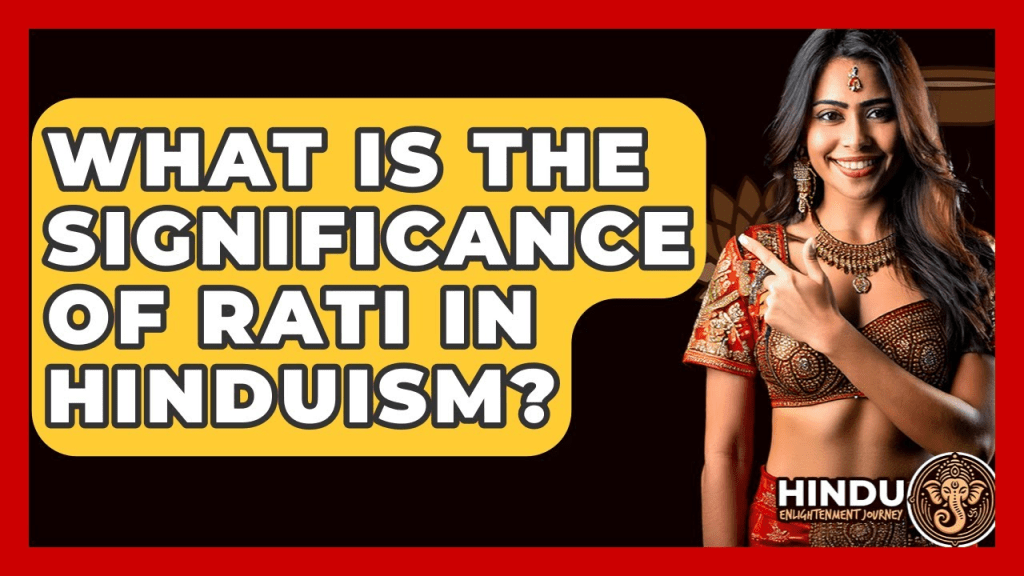
I’m glad you asked, because Rati, a name meaning “the radiant three,” represents the Trinity Rays ruling the Celestial Sphere — the chief agents of God’s Love in the upper waters of the dream (the sphere of celestial order on the right side of the wheel). So, Rati represents the Trinity Brahma hijacked, renamed Trimuti, and used to make himself “creator” — while recasting Rati as a whore (just as he did with Eve, the spirit of god within Adam, and Mary Magdalene, the enlightened wife of Jesus).
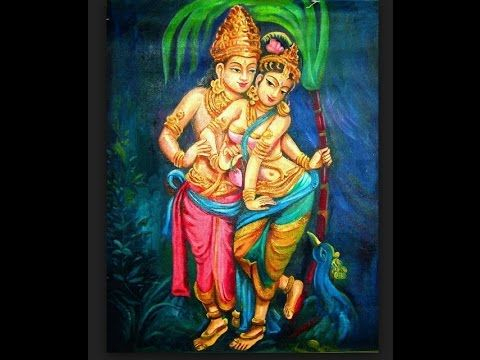
So, as I see it, the Puranic story isn’t about Shiva’s triumphant resistance to lust; it’s a cautionary tale about not letting ego-induced grief and anger freeze out God’s Perfect Love in our heart-minds, which can happen even on the mountain of elevated perception.
Or, as Course-Jesus explains in his own inimitable way:
You have chosen to fear love because of its perfect harmlessness, and because of this fear you have been willing to give up your own perfect helpfulness and your own perfect Help.
Only at the altar of God will you find peace. And this altar is in you because God put it there. His Voice still calls you to return, and He will be heard when you place no other gods before Him. You can give up the god of sickness for your brothers; in fact, you would have to do so if you give him up for yourself. For if you see the god of sickness anywhere, you have accepted him. And if you accept him you will bow down and worship him, because he was made as God’s replacement. He is the belief that you can choose which god is real. Although it is clear this has nothing to do with reality, it is equally clear that it has everything to do with reality as you perceive it. (ACIM, T-10.III.10:11–11:8)
Let’s move on to the Rik’s third line, which should read: yuksva hi kesina hari vrsana kaksyapra athana Indra somapa giram upasrutim cara. Not how Max Muller structured the line, but the only way it both makes sense and communicates Higher Truth.
My translation:
Yoking together the Self stimulates the delusion-destroying Hari to seed the inner chamber extending the now-moment wholeness of Indra, the living water vibration of the voices, the supernatural voices of the watchers.
My divisions and definitions:
yuk-ṣvā (Yoking the Self) hi (to stimulate) keśin-ā (the delusion-destroying) Hari (Hari) vṛṣ-aṇā (seeding) kakṣya-prā (the inner chamber to advance) athā-nah (the now-moment wholeness of) Indra (Indra) som-apā (the living water) girām (vibration of voices) upaśrutiṃ (the supernatural voices of) cara (the watchers)
My notes:
In Sanskrit, Kesina can mean “beautiful woman with long hair,” an animal with a mane, or an illusion-destroying power (ksina). I went with the latter because Hari is indeed the delusion-destroying power of Kamadeva–the Love of God.
In Hinduism, “Hari” is primarily used to describe Lord Vishnu, the Holy Spirit working within the dream on behalf of the Purusha. Hari is said to mean “one who takes away (sin)” or “the remover of obstacles (to enlightenment),” making Hari (Lord Vishnu) the Hindu equivalent of Jesus, the miracle-working savior of humankind — with one significant difference.
Vishnu never inhabited a human body in the way that Jesus did. Or does he, in fact, inhabit a body every time we reincarnate?
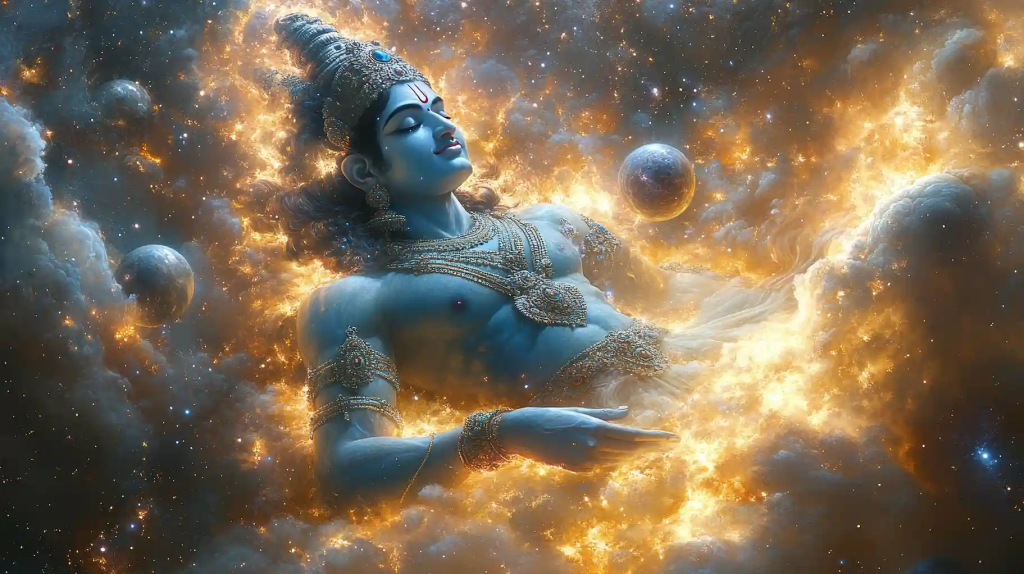
As I’ve explained, Har-i actually means “the ego-destroying power of Kamadeva.” As Jesus explains in the Course “ego” is simply the “fearful thinking” opposing or blocking the Love of God living or shining within us.
By my reckoning, Jesus and Vishnu both represent the Vishwapurusha–the “aspect” of the Christ Mind (God’s Love, made manifest) striving to awaken its dreaming parts at a “knowable” level in the dream.

As most non-Hindus are now aware — thanks to the Hare Krishna movement — the term Hare is used to address and/or invoke Lord Vishnu’s seventh and eighth “avatars,” Rama and Krishna, respectively. In Hinduism more generally, both figures are praised or invoked in what is known as the Maha or Vaishnava Mantra. Chanting the sixteen-word mantra is said to have the triple effect of destroying the inauspiciousness of the Kali age, helping to control the mind, and revealing spiritual reality.
If you’re interested, the mantra reads thusly:
Hare Krishna, Hare Krishna
Krishna Krisha. Hare Hare
Hare Rama Hare Rama
Rama Rama
Hare Hare
The Maha Mantra first appeared in the Kali-Santarana Upanishad, which was scribed some time prior to 1500 AD. In the 15th century, it rose to importance in the Bhakti movement founded by Chaitanya Mahaprabhu. Wikipedia tells us the mantra is composed of three Sanskrit names: Krishna, Rama, and Hare. But Hare isn’t technically a name; it’s (said to be) the “vocative” form of Hari; meaning it’s how the personified forms of Hari are addressed or invoked. If, for example, Hari meant “lord,” Hare would be akin to “your lordship.”
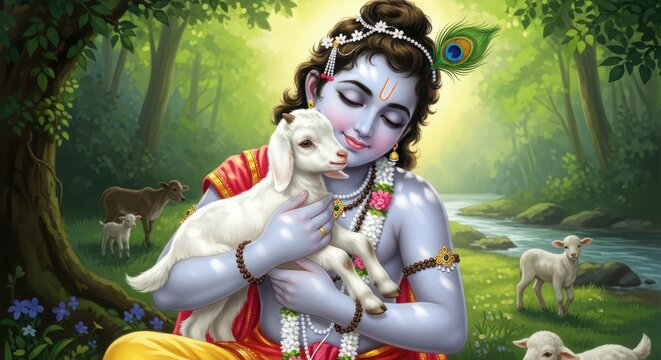
I see Hare somewhat differently. The word means: the destroying power (har) of “e” — a Vedic shorthand designation either for “holiness” or Vishnu And that is indeed what Krishna represents– i.e., the power of holiness we reclaim in wholeness (in the Golden Circle of All Beings) to break the ego’s chains of sin and guilt.
Let’s proceed to the next verse (Rv 1.10.4), which reads: ehi stomam abhi svarabhi grnihy a ruva brahma cano vaso sacendra yajnam ca vardhaya uktham indraya samsyam vardhanam purunisidhe sakro. (At this point, Max Muller’s “chanda-chariot” loses its wheels, so to speak, because his imposed line-breaks no longer hold sway.)
My translation:
E (Vishnu or holiness) sends forth the hymn of the Red Ray, the Self supporting the radiance of God’s thunderous sound, the universal soul of God’s grace inhabiting the center of the Circle of God’s Word in the yajnas or almsgiving from those connecting to increase the light of Shiva’s utterances; Indra’s sparks joining together to sound the water-riches from the former time of being perfect in the fullness of the Rays.
My divisions and definitions:
e-hi (holiness sends forth) stomām̐ (the hymns of praise from) abhi (the Red Ray) sva-rābhi (the Self supporting) gṛṇīhy = grinihi (the ray or radiance) ā (of God’s) ruva (thunderous sound) brahm-a (the Universal Soul of God’s) cano (grace)vaso (inhabiting) sa-cendra (the center of the circle of God’s Word) yajñaṃ (the almsgiving from) ca (connecting) vardha-ya (to increase the light) uktham (of Shiva’s utterances) indrāya (Indra’s sparks) śaṃsyaṃ (joined together to sound) var-dhanam (the water-riches from) puru-niṣidhe (the former time of being perfect in) śak(a)ro (the fullness of the rays)
My notes:
Ehi, the word starting this verse, is widely believed to mean “come” or “come near” — in the sense of a command or entreaty. That may be so in some cases, but those definitions don’t work here. Dividing the word as “e” and “hi,” on the other hand, not only works, but also affirms many things just explained about Hari and Hare.
As I just said, E can also signify Vishnu, the Holy Spirit (Eva). What academics attempting to translate scriptural texts fail to understand is that scribes–those receiving divine dictation–have to write quickly. When Jesus dictated the Course to Helen Schucman, for example, she took down what she heard in shorthand. She then gave her notes to her colleague, Bill Thetford, to translate and type. The process took seven years — a short time-span compared to the twenty-three years it took Muhammed to complete the Qur’an. Being illiterate, Muhammed had to memorize what Jabril told him before repeating his memorizations to various literate scribes, who then wrote them down to create the Qur’an. Consequently, the dictation process was akin to the telephone game.
Presumably, the Vedic rishis also passed along the wisdom they received orally, through memorization, possibly over successive generations. We have no proof of this, of course. And given the many shorthand designations we find in the Suktas, I suspect the learned seer-scribes may also have quickly taken down what they received from “the voice” — and that may be the real reason the Vedas are designated as sruti or “that which is heard.”
Particularly noteworthy is that the rishis use the word brahma to designate the Universal Soul of God’s Grace working underneath the illusion. That meta-Soul is Shiva, the Purusha representing the “corporate body of Christ” containing our individual Souls in the manner of a pomegranate.
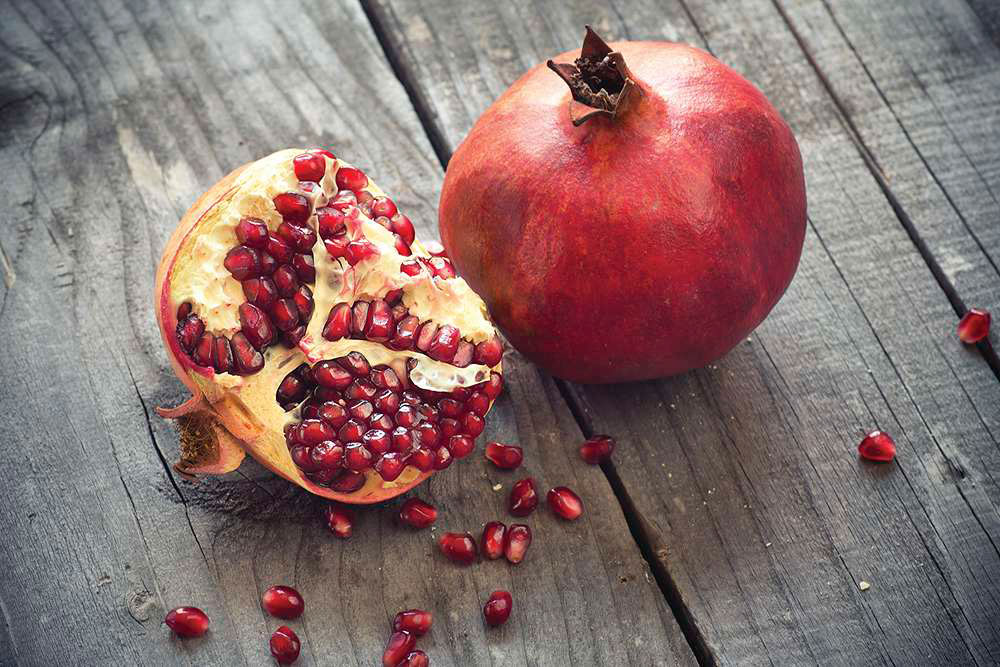
The Sukta’s next verse also deviates radically from Max Muller’s inflicted metric structure. To make sense and communicate truth, Rv 1.10.5 should read: yatha sutesu no raranat sakhyesu ca tam it imahe tam raye tam suvirye sa sakra uta nah sakat indro vasu dayamanah.
My translation:
The light of the Moon, the Holy Son or the charioteer of Holy Vishnu streams the radiant sound of the Holy Relationship connecting his parts in the manner of fellowship (or brotherhood) to request his spiritual treasures and his divine strength, the Word of God, the powerful inner radiance weaving the fabric of wholeness; the chariot of Indra the Vasu give to Yama in wholeness.
My divisions and definitions:
ya-thā (The light of the moon) sute-ṣu (the Holy Son) or sut-esu (the charioteer of Holy Vishnu) ṇo (streams) rā-raṇat (the radiant sound) sakhye-ṣu (of the Holy Relationship) ca (connecting) tam (him or his parts) it (in the manner of) sakhitva (fellowship or brotherhood) īmahe (to request) taṃ (his) rāye (spiritual treasures) taṃ (his) suvīrye (holy strength) sa (the word of god) śakra (the powerful inner radiance) uta (weaving the fabric) naḥ (of wholeness) śakat (the chariot) indro (of Indra) vasu (the Vasu, the eight circle-guardians) da-yamā-naḥ (give to Yama in wholeness)
My notes:
Yatha supposedly means “as” or “just as,” but it’s actually a compound of ya (the light) and tha (the moon). So, “the light of the moon,” which is the Lesser Light shone into the Temple by Soma, the Great I Am.
The meaning of sutesu eluded me for quite some time. I tried dividing it every possible way, but nothing seemed right until I discovered that sut can mean “charioteer,” while Esu can mean “Jesus Christ.” And, we’ve established that Jesus Christ and Vishnu are two symbolic forms of the Vishwapurusha. Furthermore, “E” is a Vedic shorthand designation for Vishnu, so “E-su” probably means “Holy Vishnu.”
Having said all that , Sute-su can also mean “Holy Son.” BUT, there is no symbolic “Holy Son” in Hinduism. Not in the same sense as Christianity, anyway. So, let’s assume the rishis mean Vishnu’s charioteer, which is either Krishna (Vishnu’s charioteer persona) or Garuda, the divine eagle vahana of Vishnu, whose brother is Aruna, the charioteer of Surya.
Vishnu’s “treasured jewel and divine strength” is God’s Word, the crest-jewel or Kaustubha worn on his chest. The mysterious “beryl” of the Bible, the Kaustubha represents supreme consciousness, purity, and divine authority. The gem, which emerged during the Churning of the Ocean of Milk, is considered the most magnificent jewel in creation and a symbol of Lord Vishnu’s role as the preserver (of Creation’s Wholeness).
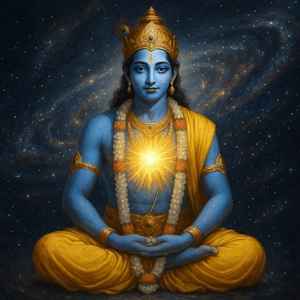
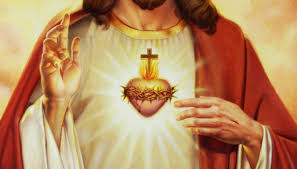
And, if my translations are up to scratch, Kaustubha represents the Word of God, our greatest treasure in the dream of separation. Judging from the radiant jewel’s location in the image above, I suspect it’s also the sacred heart of Jesus. Both, in fact, symbolize the Inner Altar.
Let’s now turn to Garuda — a name (as explained earlier) meaning “the Om weeping” or “the cry of the Om.” Either way, Garuda personifies the golden vibration that is indeed Lord Vishnu’s “vehicle” or “charioteer” in the dream-realm.
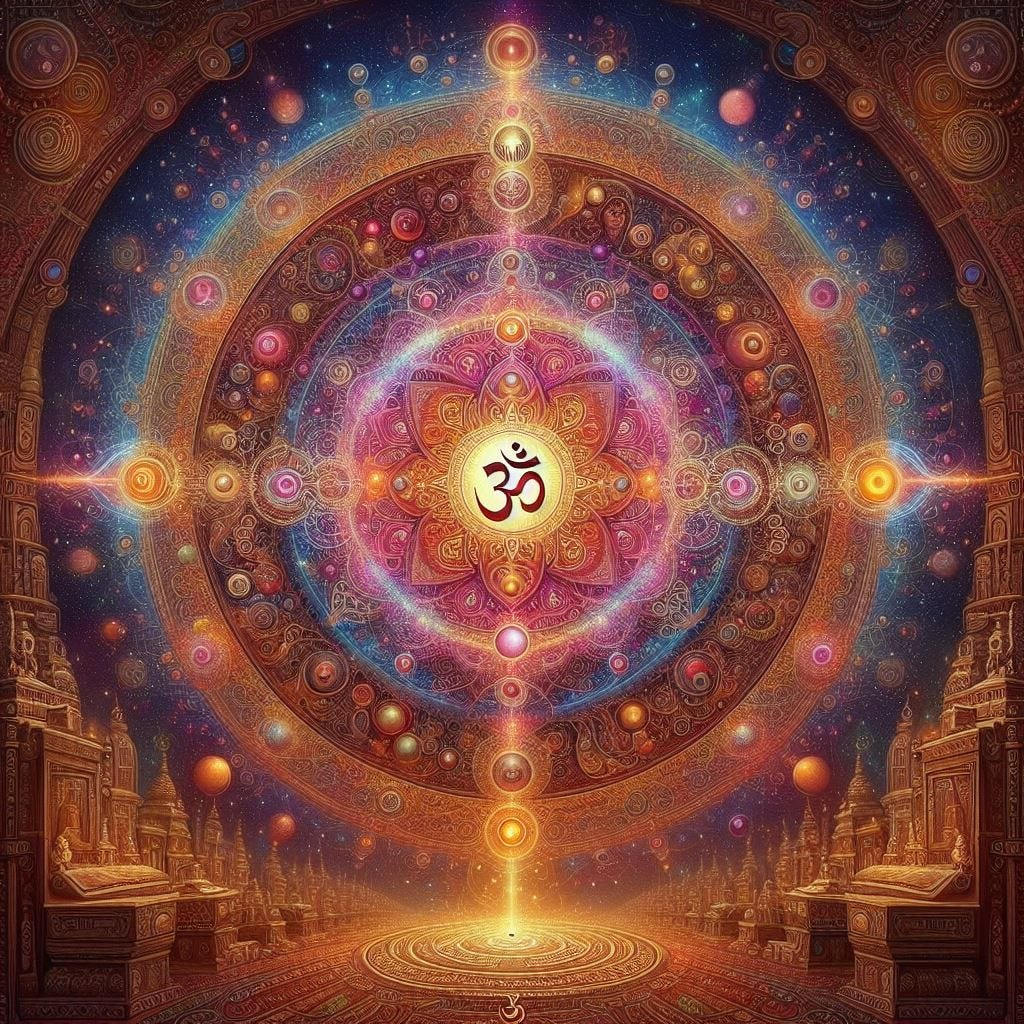
From the Mahabharata epic, we learn that Garuda’s mother, Vinata, was tricked into becoming the slave of her sister, Kadru, the mother of the nagas — the snakes associated with Shiva. Kudra means “the Great Purusha’s pole-star,” while Vinata means “the dance of duality” or “the dance of separation.” So, Kadru — the “star” of God’s Thought at the top of the dream — “tricked” the dream-world into becoming her slave. And to free the dream-world from her clutches, Garuda had to give the nagas a taste of Amrita. Garuda accomplished his task, thereby giving the snakes the ability to slough off their old skins (i.e., the ability to make the free-will choice to remain asleep in “the dance of duality” or to wake-up and remember the star).
Garuda’s father is Kasyapa — the Vedic sage also called Prajapati. Kasyapa means “tortoise,” so he’s probably the Vedic equivalent of the Black Turtle guarding the Northern direction in the Asian myths concerning the four symbols, as well as the Black Dragon of the North. Known as He Long or Xuánlóng, the Black Dragon is a powerful figure, “representing winter, water, and the northern direction. Associated with the Dragon King of the Northern Sea, Ao Shun, this deity is often viewed as a fierce, sometimes chaotic, entity responsible for deep waters and, in some legends, floods.”
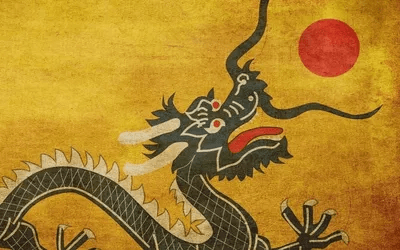
As we’ve discussed, Ao Shun, the Black Dragon of the North, is the ice-melting “rainmaker” guarding the gate or door into the fourth quadrant of Kama.
Seen in this light, the story of Garuda’s birth is really the story of how the Holy Spirit 1) changed the world’s purpose, 2) put the spark of the Red Ray in our dreaming minds to encourage and enable the choice to awaken, 3) generated the ego-dissolving Om, and 4) preserved free-will, while still carrying out God’s Plan to end the dream.
What this verse communicates is, therefore, that Garuda, the eagle-headed cherubim born of the Black Dragon and the ego-enslaved Vinata, radiates the sound that connects our Souls in Holy Relationship “to request the radiant touchstone of creation’s wholeness (which is Om, the Word of God).
With the new formatting, Rv 1.10.6 now reads: suvivrtam sunirajam indra tvadatam id vasah gavam apa vrajam vrdhi krnusva radho.
My translation:
Holiness made manifest, holiness without impurity, Indra is the one giving to Vishnu the supreme Power and Glory of the Om, the Living Water enclosure enhancing self-creating through loving kindness and devotion.
My word divisions and definitions:
su-vivṛtaṃ (holiness made manifest) su-nirajam (holiness without impurities) indra (Indra) tvādātam (is the one giving to Vishnu) id (the power) yaśaḥ (and glory) ga-vām (of the Om) apa (the Living Water) vrajaṃ (enclosure) vṛdhi (enhancing) kṛṇu-ṣva (self-creating) rādho (through loving kindness and devotion)
My notes:
Vrajam is generally translated as “cow-pen.” But it’s actually one of the Vedic words for the enclosure, walled city, or pasture Elohim/Surya created “east of Eden” to house, nourish, and protect our Souls in the dream. In the Bible, it’s the pasture housing David’s flock, as well as the Resting Place of the Israelites, and the cistern of Love. In Hinduism, Vrajam similarly denotes the pastoral village of the cowherd, where Nandi, the Bull of Heaven, grazes, as Krishna and Radha spend quality time together as a couple.
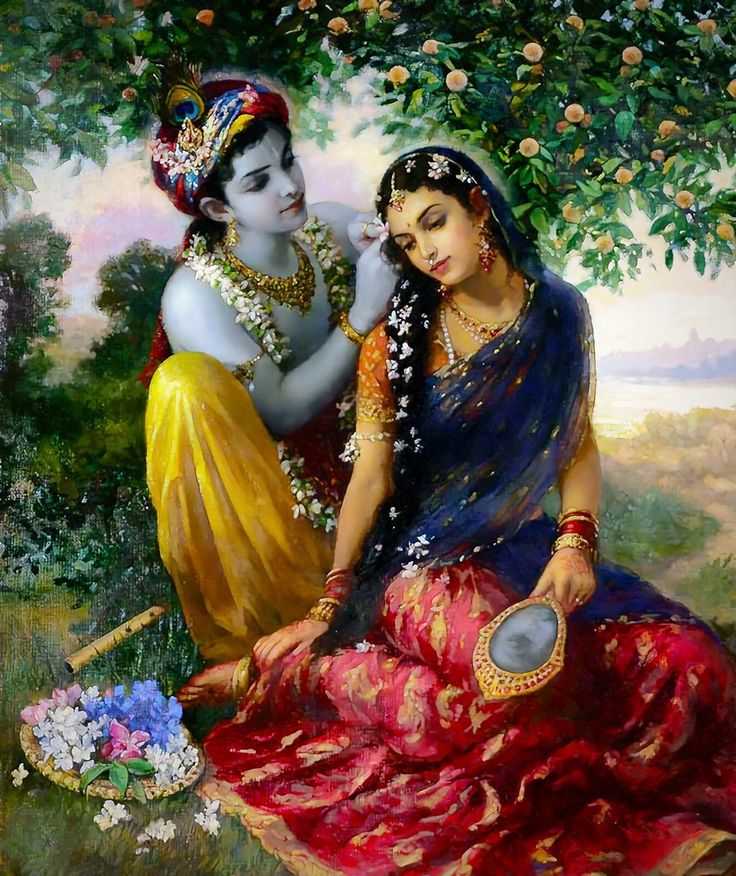
Krishna, as we know, represents the Soul’s eternal innocence. Radha, his deeply devoted lover, symbolizes our individual Souls–the flock or herd Krishna watches over and nurtures in the Resting Place. As in most scriptural allegories, the meaning of the name reveals Radha’s true identity. Rad means “broken apart” or “divided,” while ha means “the Greater Light of God.” Radha represents, therefore, the Rays of God’s Light we actually are, dreaming we’re something else much less grand and powerful.
Or, as Course-Jesus explains:
In many only the spark remains, for the Great Rays are obscured. Yet God has kept the spark alive so that the Rays can never be completely forgotten. If you but see the little spark you will learn of the greater light, for the Rays are there unseen. Perceiving the spark will heal, but knowing the light will create. Yet in the returning the little light must be acknowledged first, for the separation was a descent from magnitude to littleness. But the spark is still as pure as the Great Light, because it is the remaining call of creation. Put all your faith in it, and God Himself will answer you. (ACIM, T-10.IV.8:1-7)
The Rik’s next line, Rv 1.10.7, now reads: adrivah nah itva rodasi ubhe rghayamanam invatah jesah svaratir apah sam ga.
My translation:
The rock bearing the Self of Heaven on earth unites both (selves) in the shaking action inciting the now-moment to gain the waters which carry in them the light of the luminous heaven, together with the Sacred Syllable, Om.
My word divisions and definitions:
adri-vaḥ (the rock bearing) tva (the Self) rodasī (of Heaven on earth) ubhe (unites both) ṛghāyamāṇam (in the shaking action) inv-ataḥ (to incite the now-moment, Eternal Now, or Holy Instant) jeṣaḥ (to gain) svarvatīr-apah (the waters which carry in them the light of the luminous heaven) saṃ (together with) gā (the Sacred Syllable, Om)
My notes:
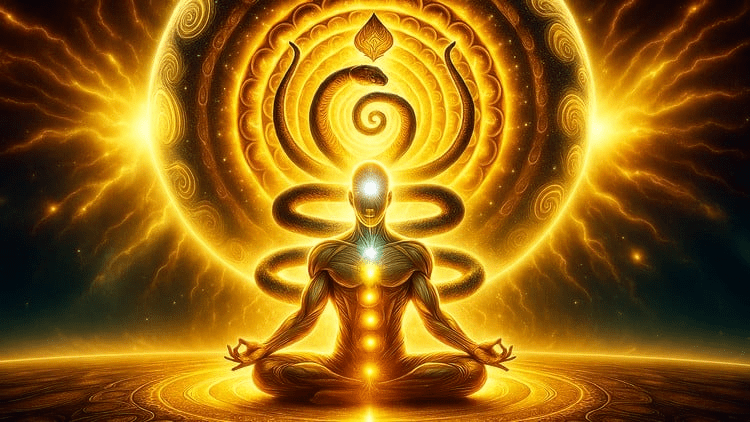
The rock bearing the Self of Heaven on earth is the Body of Christ — the cornerstone of the Temple–the inner-instrument through which the Holy Spirit restores that Universal Soul to wholeness. Herein, we again find mention of the mysterious shaking action bringing forth the waters carrying the luminous light of heaven, along with the Om. I can only assume that shaking refers to the subtle vibration shaking the dander of ego-thinking from our pure holy minds, rather than a physical shaking felt in the body. Can’t be sure, though. So, if you’ve felt that shaking, please weigh in.
Let’s proceed to the next verse. Rv 1.10.8 contains several words we’ve encountered before, as well as a handful of “unsolved mysteries” in Vedic and Sanskrit scholarship (all of which I’ve striven to solve). Far away from Muller’s standard construction, the line reads: asmabhyam dhunuhi asrutkarna srudhi havam nu dadhisva me girah indra stomam imam mama krsva.
My translation:
The grindstone of fear, the continuous sound of Shiva compels attentive listening to that which is heard; the call of now-consciousness granting knowledge of one’s own Higher Self to restore the voice of King Indra speaking from the mouth of the Dear Friend cultivating the wind.
My divisions and definitions:
asma-bhyaṃ (the grindstone of fear) dhūn-u-hi (the continuous sound of Shiva compels) āśrutkarṇa (attentive listening) śrudhī (to that which is heard) havaṃ (the call of) nū (now) cid (consciousness) dadhiṣva (granting knowledge of one’s own Higher Self) me (to restore) giraḥ (the voice of) indra (King Indra, the Red Ray) stomam (speaking from) imam (the mouth of) mama (the dear friend) kṛṣ-vā (cultivating the wind)
My notes:
The grindstone of fear is the Biblical winepress–the Bindu Chakra behind of underneath the Ajna Chakra. And the Om is indeed “the continuous sound of Shiva,” the transcendent power of grace.
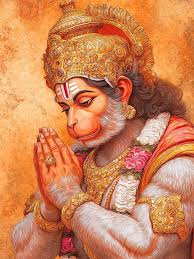
According to Google, “the dear friend cultivating the wind” in the Hindu lore is Hanuman, the monkey-faced son of Vayu, the Cosmic Breath. Revered as a divine vanara (forest-dweller), and a devoted companion of Rama (the journeying Soul), Hanuman plays a central role in the Ramayana epic. He’s also mentioned in the Mahabharata, as well as the Puranic literature.
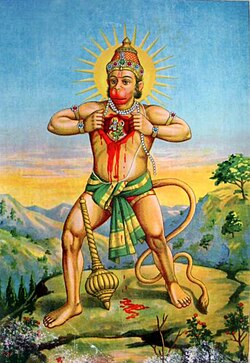
According to Google:
Hanuman is celebrated for his unwavering devotion to Rama and is considered a chiranjivi (immortal or long-living). He is traditionally believed to be the spiritual offspring of the wind deity Vayu, who is said to have played a significant role in his birth. In Shaiva tradition, he is regarded to be an incarnation of Shiva, while in most of the Vaishnava traditions he is the son and incarnation of Vayu. Devotional practices centered around Hanuman were not prominent in these texts or in early archaeological evidence. His theological significance and the cultivation of a devoted following emerged roughly a millennium after the Ramayana was composed, during the second millennium CE.
Allegedly, Hanu-man means “one with a disfigured jaw.” Also allegedly, the name comes from the story of Hanuman being struck as a baby by one of Indra’s jaw-breaking thunderbolts. I say “allegedly,” because I suspect the name has a different meaning more suggestive of his deific purpose.
If, for example, Hanuman is a three-part marriage of Ha, nu, and man, the name would mean “the Greater Light now in the mind.” And the Greater Light now in the mind is the Eternal Now of the Holy Instant, which is indeed Rama’s “best friend” and fastest route of escape from Brahma’s Primordial Egg. That Hanuman was struck by one of Indra’s thunderbolts (of revelation) as a child supports this interpretation of Hanuman’s true deific purpose. It also fits with him being the son of Vayu, the Cosmic Breath and/or the fire-wind of Agni, as well as an incarnation of Shiva.
Having said all that, Hanuman might just as easily represent the Spiritual Body–the Soul’s chariot and/or temple. And that “ethereal vehicle” is indeed produced by the Cosmic Breath. The Temple also accompanies the journeying Soul in the manner of a constant and devoted “friend” or “companion.” This interpretation of Hanuman’s identity also would explain why Hanuman 1) has the face of a monkey and 2) rips open his chest, to prove to Rama that Shiva and Vishnu still dwell in his heart. If Hanuman does represent the Temple, his heart represents the inner altar.
In India, monkeys populate sacred temples in great numbers. Thought to represent Hanuman, temple monkeys are afforded sacred status, waranting their feeding and protection by devotees. Special “monkey temples” also exist in India, most notably Galta Ji in Jaipur (shown below).
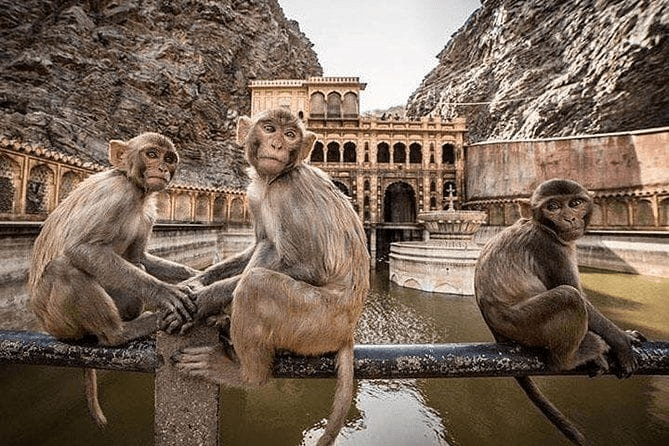
According to Google:
Monkeys have held a revered, sacred, and often protected status in Indian temples for thousands of years. Deeply rooted in Hindu mythology and the veration of the deity Hanuman. Associated with the Vanar Sena (monkey army) from the Ramayana, they are considered divine manifestations.
Okay, so … hear me out: If the prevalence of monkeys in Indian temples dates back thousands of years, then the presence of monkeys in temples predated the Ramayama, which began circulating in circa 5 AD. And that would explain why Hanuman–the epic allegory’s temple figure — was given a monkey-face. As a clue to his identity, Hanuman resembled the temple monkeys, not the other way around. It bears further consideration.
Let’s move on to the next verse (Rv 1.10.9), which now reads: yujas cid antaram hi tva vrsantamam vajesu havanasrutam vrsantamasya humaha utim sahasrasatamam a tuna.,
My translation:
The grindstone of fear, the continuous sound of Shiva compels attentive listening to that which is heard; the call of now-consciousness granting knowledge of one’s own Higher Self to restore the voice of King Indra speaking from the mouth of the Dear Friend cultivating the wind.
My divisions and definitions:
yujaś (yoking together) cid (the consciousness) antaram (within) vidmā (the shared mind) hi (compelling) tvā (the true state) vṛṣan-tamaṃ (of mighty wholeness) vāj-eṣu (strengthening the spirit) havana-śrutam (offering the blessing received through hearing from) vṛṣan-tam-asya (the mighty one’s mouth) hū-maha (the Great Invocation) ūtiṃ (protecting) sahasrasā-tamām (the thousand-petaled lotus of wholeness) ā (in God’s) tūna (quiver).
My notes:
Surely, God’s quiver is Kamadeva’s quiver, filled with the flower-tipped arrows inducing transformation. And Kamadeva does, in fact, have two lotus-tipped arrow (one blue and one white. According to Google, the white-lotus arrow “symbolizes purity, resurrection, and the blossoming of desire, often rooted in the mud but rising clean.”
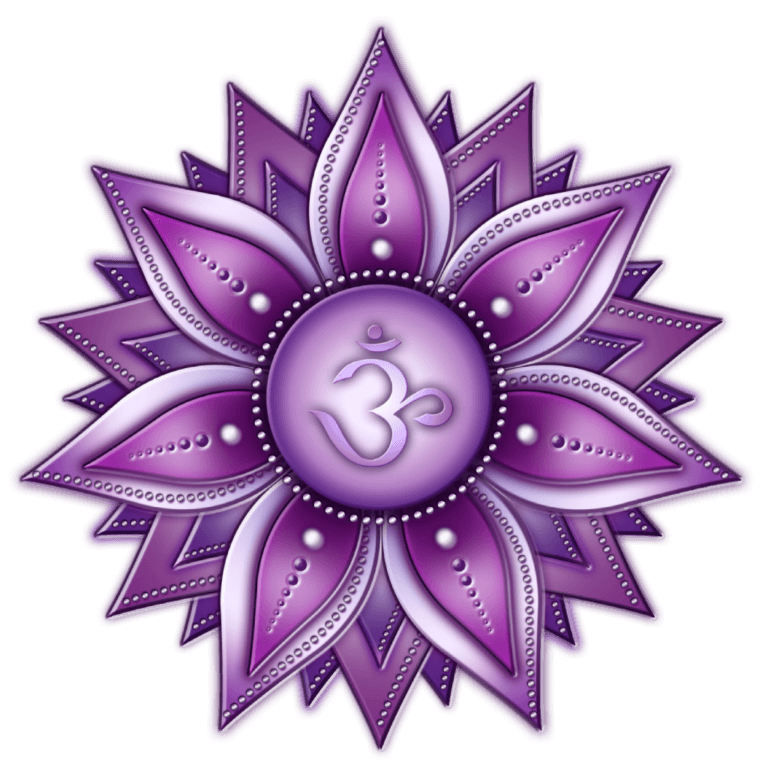
The blossoming of the Soul’s desire to leave the wheel, that is to say. Not coincidentally, Sahasrasa is the Sanskrit name for the Seventh or Crown Chakra– the door out of the dream-realm.
Let’s now open our Bibles, where we find the phrase “God’s quiver” in Isaiah 49:2, Psalms 127:5, and Lamentations 3:13. Having read the latter two, I distrust their translations, so I’ll only share and comment on the following from Isaiah:
And he hath made my mouth like a sharp sword; in the shadow of his hand hath he hid me, and made me a polished shaft; in his quiver hath he hid me; and said unto me, “Thou art my servant, O Israel, in whom I will be glorified.”
Stated another way, our Souls were born into this world to serve and glorify God — not to glorify what the ego made. And everything we experience is designed to hone us into arrows in God’s quiver, to be shot from the Divine Bow at the appropriate moment to move the Atonement Plan forward.
This brings us to the Great Invocation. What invocation do the risis mean? They might mean the Maha Mantra, the Gayatri Mantra, or — from left field — the invocation shared with Alice Bailey by Djwal Khul. Or the rishis might simply mean the triune “Om” mentioned at the start of this Sukta. They might also mean Soham, Hamsa, Om Hari Om, Om Mani Padme Hum, Humee Hum Brahm Hum, or Shri Ram Jai Ram.
If you’re interested, Alice Bailey’s Great Invocation reads as follows:
From the point of Light within the Mind of God
Let light stream forth into the minds of men.
Let Light descend on Earth.From the point of Love within the Heart of God
Let love stream forth into the hearts of men.
May Christ return to Earth.From the centre where the Will of God is known
Let purpose guide the little wills of men–
The purpose which the Masters know and serve.From the centre which we call the race of men
Let the Plan of Love and Light work out
And may it seal the door where evil dwells.Let Light and Love and Power restore the Plan on Earth.
An excellent prayer, IMHO. Try it and see what happens.
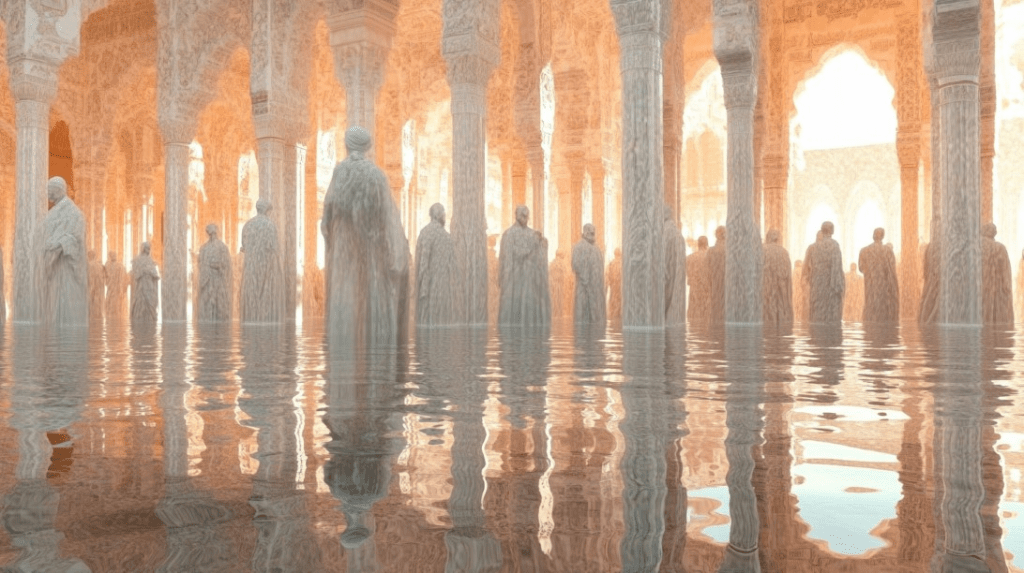
One more verse to go, and it’s a whopper. There are, as it turns out, only ten lines in the tenth Sukta, rather than the twelve designated by Max Muller. The final line reads: indra ka-uśika mandasānaḥ sutam piba navyam āyuḥ pra sū tira kṛdhī sahas-rasām ṛṣim pari tvā girvaṇo gira imā bhavantu viśva-taḥ vṛd-dhā-yum anu vṛd-dhayo juṣṭā bhavantu juṣṭayaḥ.
My translation:
Indra is the Great Purusha’s pool (of thought), the mind of the ten-faced Son drinking the soft-voiced sound of the Ship of Life to advance the holy three rays of creative thought speaking in praise of the Om, the voices from the mouth of the purified Soul, the whole underneath; the ancient yoke of Anu, the elder one protecting the purified Soul in devoted service to the Beloved.
My word divisions and definitions:
indra (Indra) ka-uśika (is the Great Purusha’s pool) or Kausi-ka (the sacred grass of the Great Purusha) manda-sānaḥ (the mind of the ten-faced) sutam (Son) piba (drinking the soft-voiced sound) navyam (of the ship) āyuḥ (of life) pra (to advance) sū (the holy) ti-ra (three rays) kṛdhī (of creative thought) sahas-rasām (the thousand-petaled) ṛṣim (light) pari (surrounding) tvā (the True Self) girvaṇo (speaking in praise of the Om) gira (the voice) imā (from the mouth of) bhavantu (the pure Soul) viśva-taḥ (the whole underneath) vṛddhā-yum (the ancient yoke of) anu (Anu) vṛddha-yo (the elder or senior one who ) juṣṭā (protects) bhava-ntu (the state of the purified Soul) juṣ-ṭayaḥ (in devoted service to the Beloved)
My notes:
Wow. What a humdinger of a finale. It’s also a fantastic encyclopedic definition of what Indra represents in the Hindu pantheon. Such a shame he isn’t worshipped anymore in India. But maybe he will be again after more Hindus find my blog.
In the Bible, the Ship of Life represents the Journey of Faith — the Soul’s walking journey around the Circle. We find this “ship” symbolized in the Old Testament story of Noah’s Ark and the tales of the Ark of the Covenant, as well as in the New Testament accounts of Paul’s shipwreck (Acts 27) and the miracles of Jesus calming the storm and walking on water, which are recorded in Matthew and Luke 8, and Mark 4. In Hinduism, we find the ship in the story of Matsya and Manu.
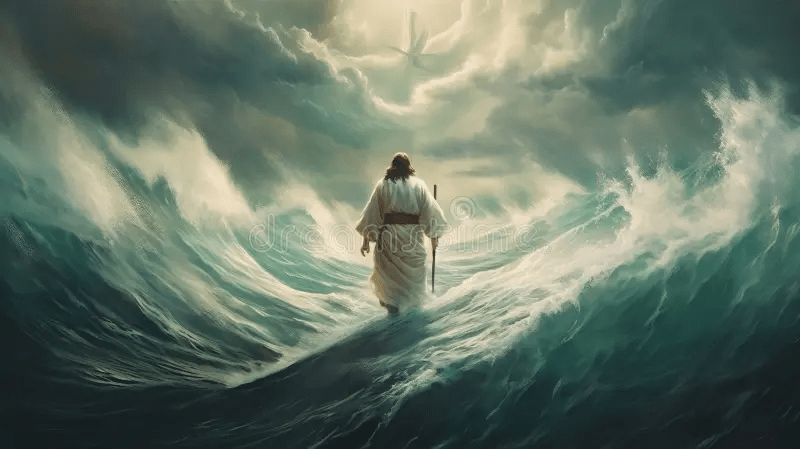
The son with ten faces is probably a reference to the Dashavatara — Lord Vishnu’s ten incarnations or avatars representing the ten levels of Self-awareness we reclaim by breaking the ten seals through right-minded choosing.
In Hinduism, the Beloved is Radha, the consort of Krishna, who cavorts with her partner in the cow-pen, while Nandi grazes on the sacred grass identified herein as Indra. He’s also the pool of the Purusha; the Pool of Abundance known in Islam as Al Kawthar.
Often described as “the sacred, celestial river or fountain in Paradise symbolizing boundless spiritual nourishment and mercy,” Al Kawthar, “also represents a concept of eternal, non-material blessings, as well as a metaphor for spiritual contentment, as detailed in Islamic tradition and spiritual reflections” (according to Google).
Based on this description, Al Kawthar is the same wellspring, well, and fountain making its presence felt throughout the Judeo-Christian and Hindu scriptures.
In Christianity, “the beloved” is Jesus; in the Old Testament, it’s King David, whose name literally means “the beloved of God.” David (the Christ Ray) is the one “whose lineage or descendants in the likeness of God” control the horses. And in 2 Samuel 8:4 and 1 Chronicles 18:4, we are indeed told that King David captured 1,000 chariots and 7,000 horsemen from Hadadezer, King of Zobah. I suspect those translations need tweaking, given that Hadadezer means “majesty’s helper,” while Zobah means “encampment.”
Did I miss anything? We’ve talked about Anu, but never before as “the yoke” belonging to Krishna. And Anu may indeed be the triune Name of God, known in ancient times, but forgotten.
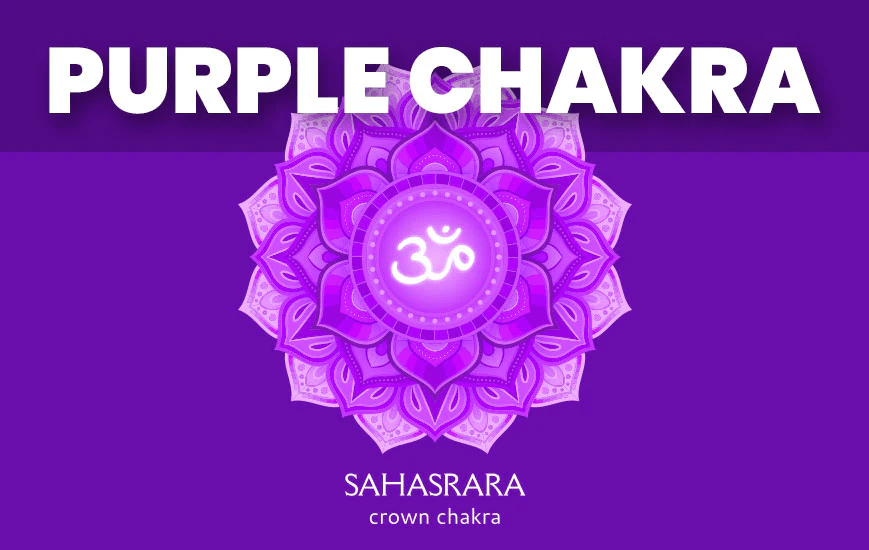
We’ve also talked about the thousand-petaled light or lotus — the Crown Chakra, but not as representing the three rays of creative thought surrounding the True Self. Those three Rays being, of course, the Trinity Rays (Rati or Tira). This would suggest that the the crown Chakra represents the dwelling place of the Trinity Rays encircling the True Self. And this, in turn suggests that the True Self is Om, whilst the three rays are symbolized by the three layers of petals surrounding the Om. Are the Trinity Rays, then, the three-thousand “men” or “elite troops” mentioned several times in the Bible? The idea certainly warrants further consideration.
That’s the tenth Sukta, done and dusted. And what a beautiful and insightful teaching! I’m in awe, truly, and so grateful for this gift.
Let’s now put it all together and see what we get:
Sing to glorify the Self singing the threefold Om to cultivate the splendor of the Greater Light, the Son in wholeness expanding the mind, the essence of the True Thought of God (the Logos) higher up, the descendent in the likeness of God controlling the horses.
Strive to rise level by level astride the Mighty Horse stabilizing the duty of extending Indra’s purpose of the mind in association with the multitudes raining down the shaking of Kamadeva.
Yoking together the Self stimulates the delusion-destroying Hari to seed the inner chamber extending the now-moment wholeness of Indra, the living water vibration of the voices, the supernatural voices of the watchers.
E (Vishnu or holiness) sends forth the hymn of the Red Ray, the Self supporting the radiance of God’s thunderous sound, the universal soul of God’s grace inhabiting the center of the Circle of God’s Word in the yajnas or almsgiving prayers from those connecting to increase the light of Shiva’s utterances; Indra’s sparks joining together to sound the water-riches from the former time of being perfect in the fullness of the Rays.
The light of the Moon, the Holy Son or the charioteer of Holy Vishnu streams the radiant sound of the Holy Relationship connecting his parts in the manner of fellowship (or brotherhood) to request his spiritual treasures and his divine strength, the Word of God, the powerful inner radiance weaving the fabric of wholeness; the chariot of Indra the Vasu give to Yama in wholeness.
Holiness made manifest, holiness without impurity, Indra is the one giving to Vishnu the supreme Power and Glory of the Om, the Living Water enclosure enhancing self-creating through loving kindness and devotion.
The rock bearing the Self of Heaven on earth unites both (selves) in the shaking action inciting the now-moment to gain the waters which carry in them the light of the luminous heaven, together with the Sacred Syllable, Om.
The grindstone of fear, the continuous sound of Shiva compels attentive listening to that which is heard; the call of now-consciousness granting knowledge of one’s own Higher Self to restore the voice of King Indra speaking from the mouth of the Dear Friend cultivating the wind.
Indra is the Great Purusha’s pool (of thought), the mind of the ten-faced Son drinking the soft-voiced sound of the Ship of Life to advance the holy three rays of creative thought speaking in praise of the Om, the voices from the mouth of the purified Soul, the whole underneath; the ancient yoke of Anu, the elder one protecting the purified Soul in devoted service to the Beloved.
Thanks for visiting. Until next time, Om Hari Om and Namaste.
 The Holy Meeting Place
Leave a comment