God
-

Namaste, my brother in Christ, and welcome (or welcome back) to my latest adhyayana posting. Our subject today is the Rigveda’s 22nd Sukta, which, to be frank, proved to be a ball-busting behemoth. Blessedly, I got there in the end, through sheer tenacity. Supposedly a hymn to the Ashvins, the 22nd Sukta is, in truth, an advanced…
-

Namaste, my brother in Christ, and welcome (or welcome back) to my latest adhyayana posting. We’re studying the Rigveda, Hinduism’s oldest and most sacred scriptural text, which has never before (to my knowledge) been accurately translated. But then, neither have the Bible or the Quran, because the Ego Mind (Satan) weaves fear, guilt, divine wrath,…
-

Namaste, my brother in Christ, and welcome (or welcome back) to my latest adhyayana posting. We’ve come to the Rigveda’s 19th Sukta, which, for the past 4,000 years, has been misperceived as a hymn calling upon Agni to invite the Maruts to the the yajna ritual. As established in our previous discussions 1) Agni is the…
-

Namaste, my brother, and welcome (or welcome back) to my latest adhyayana posting. We’ve reached the Rigveda’s 17th Sukta, a supposed hymn invoking Indra (the Red Ray of the Soul’s eternal life) and Varuna (the mind-healing water of oneness). Like the first sixteen Suktas, the 17th is, in fact, a prose wisdom teaching for Brahmins…
-
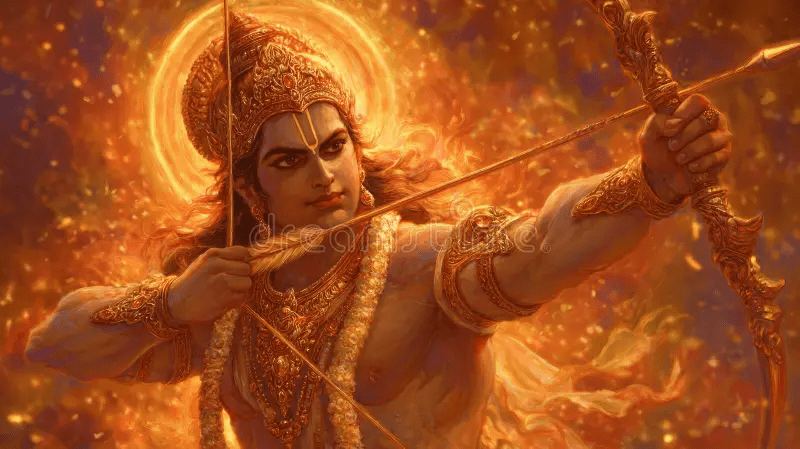
According to Google (quoting the Wisdom Library) “Rigveda 1.14 is a 12-verse hymn (Sukta) dedicated to Agni (the sacrificial fire) by the seer Medhātithi Kāṇva in the nicṛdgāyatrī meter. It acts as an invitation for Agni to bring various deities—including Indra, Vāyu, Mitra, and the Maruts—to the ritual to partake in the Soma drink, emphasizing Agni’s role as…
-
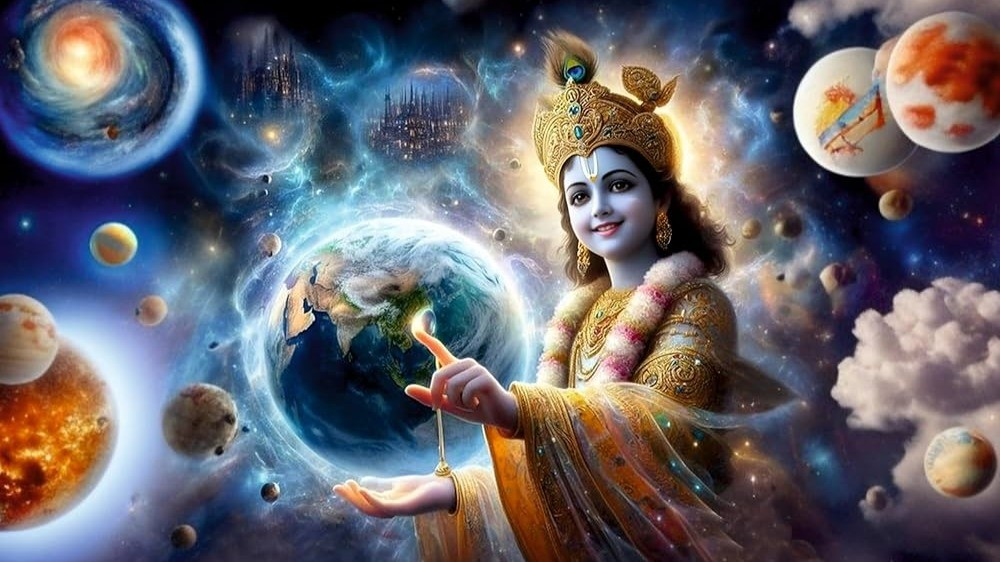
Google tells us the Rigveda’s 13th Sukta “consists of twelve verses in Gayatri meter, focusing on inviting deities to the sacrifice through Agni, often featuring phrases like samiddho adya manuṣvad agnir (1.13.1) and narāśaṃsam iha priyam (1.13.3). The verses are dedicated to various deities associated with the ritual, including Agni, Narāśamśa, and the Barhis (the sacred grass).” If you’ve…
-

At long last, I’ve migrated all the content from my former BlogSpot blog to this newer one on WordPress, with a few guided additions. It’s now time to tackle the Rigveda’s 12th Sukta, a supposed hymn in praise of Agni, the presumed Hindu god of elemental fire. In actuality, the Sukta is not a hymn,…
-

Translating the Rigveda’s Eight Sukta was no small feat. Not only were Max Muller’s “preserved meters” way off, correct definitions for the majority of words also were exceedingly hard to come by. The first of these elusive words came at the outset. That word was endra, which is almost universally misinterpreted as another form of…
-
Let’s start our discussion of the Rigveda’s Seventh Sukta with a relevant quote from the Course — a quote so central to the process of awakening, I added it to my blogger profile to serve as a constant reminder. Because, as Jesus explains somewhere in the Text, we can not be too often reminded of…
-

Let’s continue our conversation about the Rigveda’s Sixth Sukta by reviewing the verse we ended on last time. That verse is Rv 1.6.5, rather than Rv 1.6.6, as per Max Muller, the 19th-century Oxford orientalist credited with restoring the Rigveda to its original metric form. In so doing, he divided Rv. 1.6.4 into two lines,…

