God
-
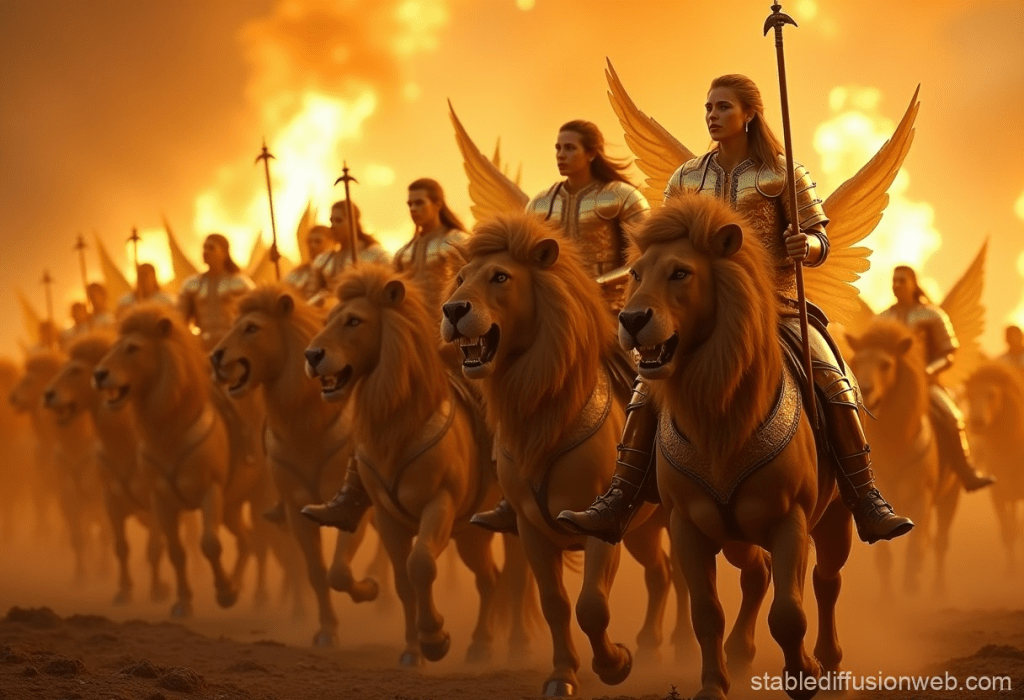
In my last post, we explored what actually transpires after the seventh seal is opened by the Lamb of God in the Book of Revelation. We also learned that the seventh seal is Netzach, the seventh Sefirot on the Kabbalistic Tree of Life. We further learned that Netz-ach means “falcon-brother” in Hebrew, rather than “eternity”…
-
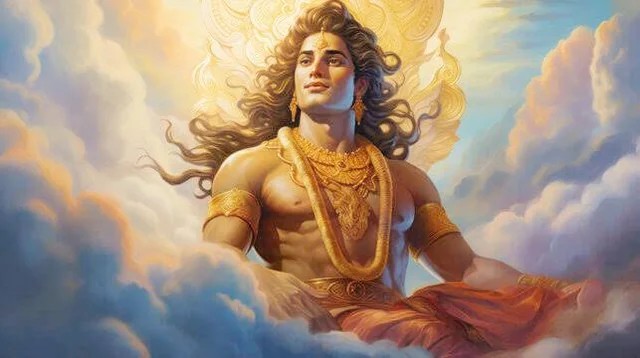
We now come to the Rig Veda’s fourth Sukta, the first of many presumably addressed to Indra, the king of the Hindu devas. As explained earlier, Indra personifies the Red Ray of the Father’s Will to make earth like Heaven. As such, Indra represents the most powerful force in the universe — the reason he…
-
Today, let’s talk about the Lord’s Prayer — the “example” Jesus gave his disciples as the “proper” way to pray. If you’re unfamiliar with this old standard, it reads thusly in the KJV Bible: Our Father, who art in Heaven, hallowed be thy name. Thy Kingdom, come; Thy Will be done; on earth as it…
-
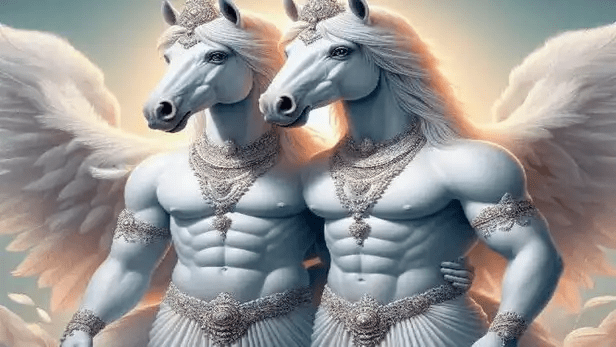
I first drafted this post back in February 2024, after taking a few weeks off from blogging. Why the break? Mainly because I felt no compulsion to carry on. In hindsight, I can see that my lack of motivation was tied to my reluctance to continue translating the Rigveda. Who am I, after all, to…
-
Instead of rushing ahead to the Rigveda’s third Sukta, I want to spend more time on the ten risha (female rishis) referenced in the second Rik. In my last post, I equated those “shining handmaids” with the Mahedivyas or “great wisdom” goddesses of Hinduism, the Sefirot of Jewish mysticism, the lampstands in the Temple of…
-
Over the centuries, the illusion-manifesting Ego Mind (Brahma in Hinduism) has tangled the foundational teachings of the Great Rishis of India into such a snarled hairball of lies, it’s hard to know where to begin the “detangling” process. So, let’s start at the beginning, with the earliest and most sacred of the Hindu shruti (divinely…
-
Today, I want to clarify that the Word of God is not a printed text. As we learn in ACIM Workbook Lesson 125: In quiet I receive God’s Word today, the Word of God is the vibratory sound emanating from the Logos to remind us of the Truths we’ve forgotten in the dream of earthly…
-

Today, we’re going to explore and compare the seven “heavens,” “realms,” or “worlds” found in the scriptural texts of Judaism, Hinduism, and Islam. Are these seven “realms” the same seven ‘churches” or “assemblies” addressed by the Great Amen in the New Testament Book of Revelation? Let’s find out, shall we? Today’s post is rather long,…
-
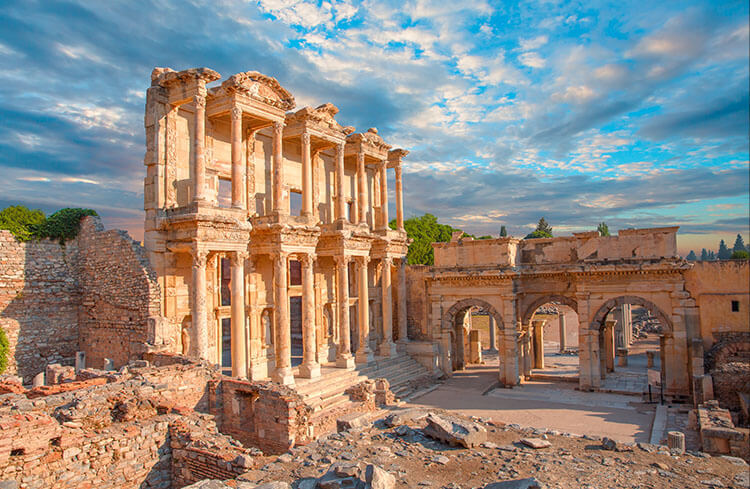
The seven churches referenced several times in the New Testament Book of Revelation are NOT literal churches existing in Asia Minor at the time that John the Elder (not John, the Apostle!) recorded his William S. Burroughs-esque visions of the “end of days.” Biblical scholars and historians have racked their brains for centuries trying to…
-
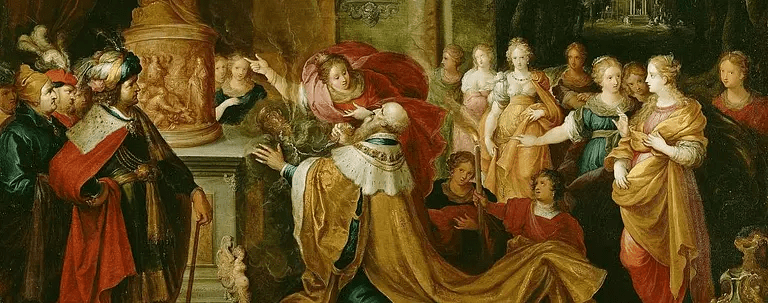
Yesterday, while meditating on the Om, it came to me that the Bible says something about King Solomon having had many wives. And that made me wonder if those wives might represent the seven sacred rivers we discussed last time. So, I looked up the verse in question (1 Kings 11:3), wherein I found the…
 The Holy Meeting Place