faith
-
I first drafted this post back in February 2024, after taking a few weeks off from blogging. Why the break? Mainly because I felt no compulsion to carry on. In hindsight, I can see that my lack of motivation was tied to my reluctance to continue translating the Rigveda. Who am I, after all, to…
-
Instead of rushing ahead to the Rigveda’s third Sukta, I want to spend more time on the ten risha (female rishis) referenced in the second Rik. In my last post, I equated those “shining handmaids” with the Mahedivyas or “great wisdom” goddesses of Hinduism, the Sefirot of Jewish mysticism, the lampstands in the Temple of…
-

Today, let’s continue our discussion of “The Fundamentals of True Yoga,” by turning to another highly revered text in the Hindu literature: The Yoga Sutras of Patanjali. Although published later than the Gita, The Yoga Sutras were reportedly compiled over many centuries. either by various sages using a common pseudonym (Patanjali) or by an Avatar…
-
Today, I want to clarify that the Word of God is not a printed text. As we learn in ACIM Workbook Lesson 125: In quiet I receive God’s Word today, the Word of God is the vibratory sound emanating from the Logos to remind us of the Truths we’ve forgotten in the dream of earthly…
-

Today, we’re going to explore and compare the seven “heavens,” “realms,” or “worlds” found in the scriptural texts of Judaism, Hinduism, and Islam. Are these seven “realms” the same seven ‘churches” or “assemblies” addressed by the Great Amen in the New Testament Book of Revelation? Let’s find out, shall we? Today’s post is rather long,…
-
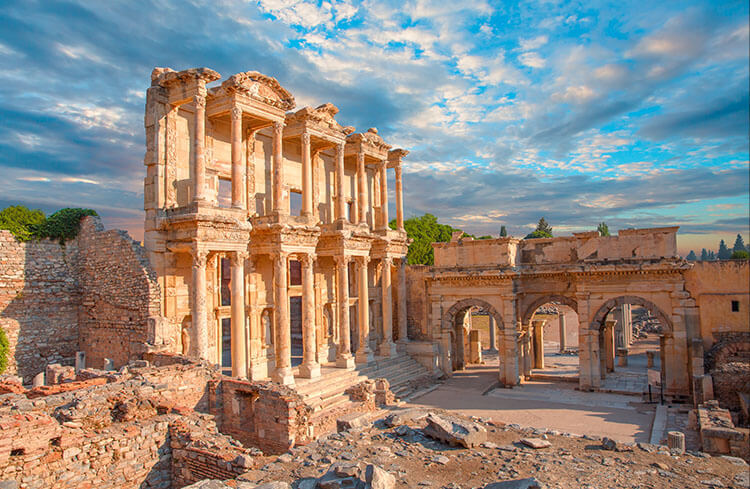
The seven churches referenced several times in the New Testament Book of Revelation are NOT literal churches existing in Asia Minor at the time that John the Elder (not John, the Apostle!) recorded his William S. Burroughs-esque visions of the “end of days.” Biblical scholars and historians have racked their brains for centuries trying to…
-
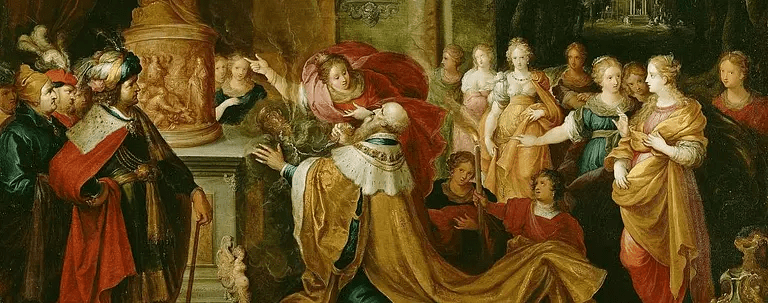
Yesterday, while meditating on the Om, it came to me that the Bible says something about King Solomon having had many wives. And that made me wonder if those wives might represent the seven sacred rivers we discussed last time. So, I looked up the verse in question (1 Kings 11:3), wherein I found the…
-

Yes, I know. I promised we’d talk about yoga next time, but that was before the Holy Spirit guided me to the fourth chapter of Isaiah, and then down an exciting rabbit-hole that led me to the Exodus story of the seven daughters of Jethro (Yitro), the high priest of Midian, who meet Moses at…
-

Lush expanses of lawn, sacred grasses, and verdant green pastures feature prominently in the scriptures of many faiths. But what are these peaceful meadows intended to represent? Today we’re going to walk through those grassy fields (and many scriptural passages) in search of the answer. Let’s begin with the Old Testament Book of Genesis, wherein…
-
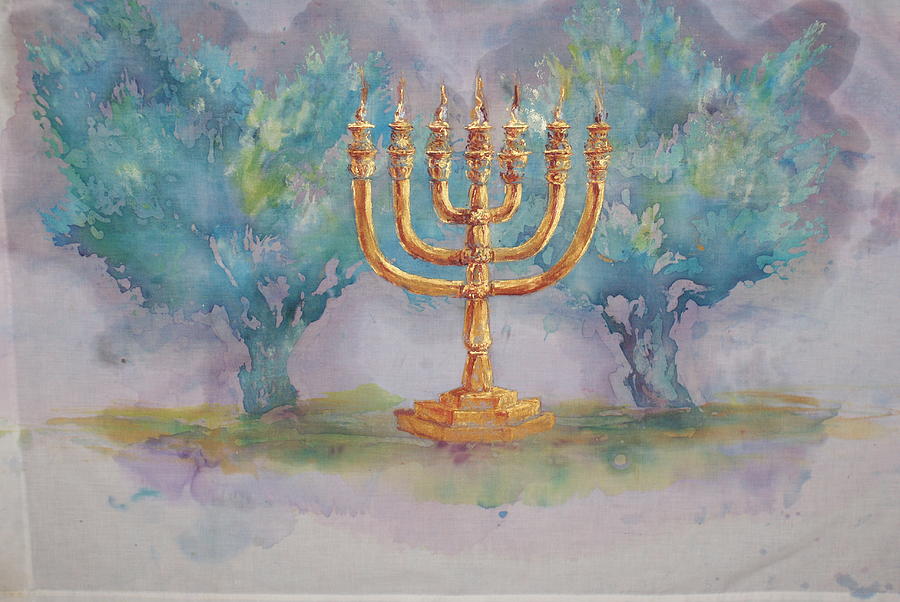
Today, let’s open our Bibles to the Book of Zechariah, one of the “twelve minor Hebrew prophets” whose writings appear in the Old Testament. Zechariah’s prophecies, visitations and/or visions are especially interesting and relevant, because they mention Zerubbabel, the Second Temple, and the signet ring, as well as the Golden Menorah or Lampstand representing the…
 The Holy Meeting Place